
How do you turn a first-time player into a regular? Make quieter court hours profitable? Build a team that can deliver a great experience when the owner leaves the building?
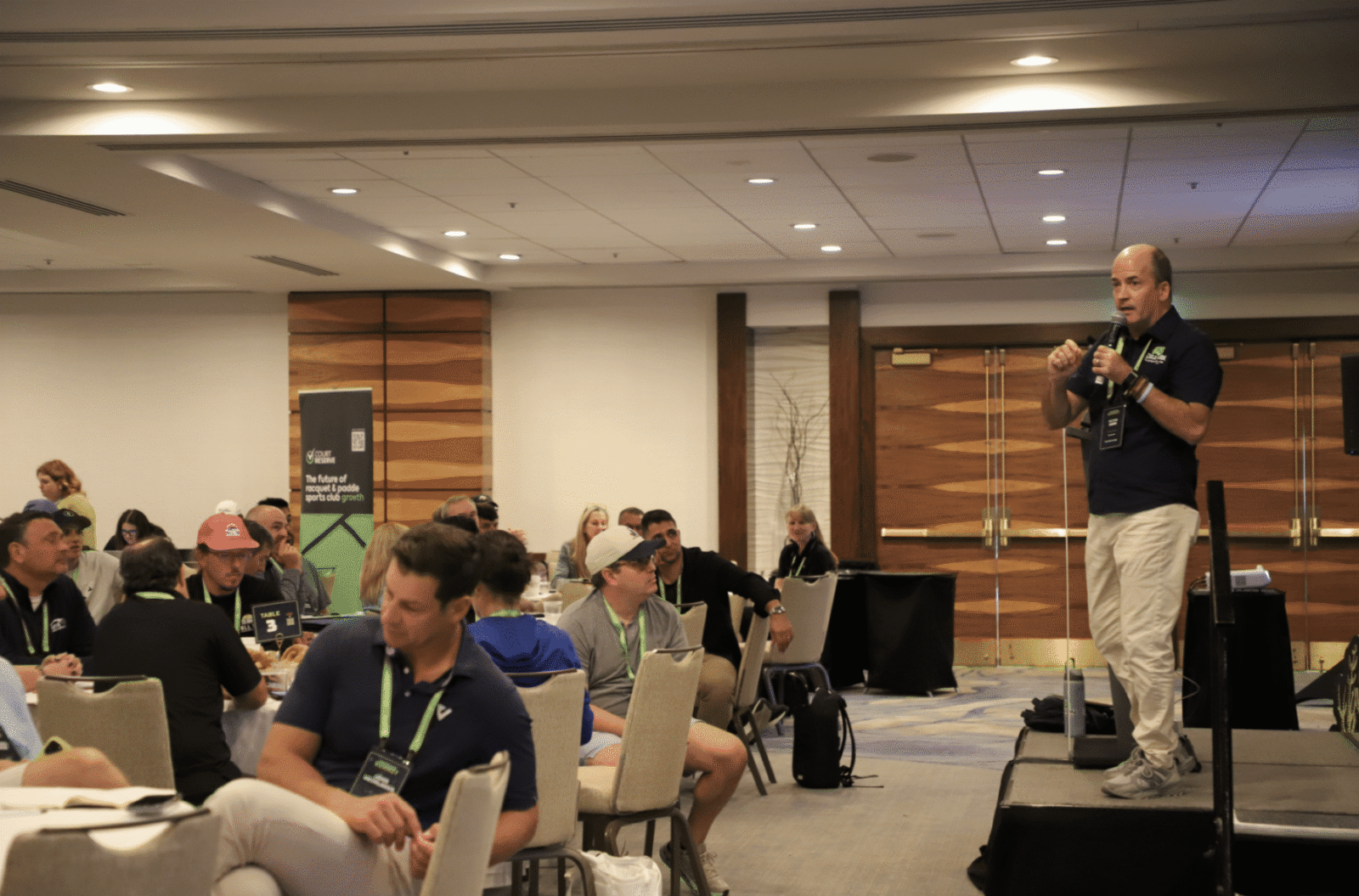
Those questions brought candid answers and practical ideas to the 2026 Pickleball Innovators Summit, held October 12–14 at The Westin La Paloma Resort & Spa in Tucson, Arizona. Bringing together 40-plus top pickleball club operators and sponsors, the event paired 2.5 days of networking and idea exchange with pickleball, fun and a beautiful desert setting.
The intimate format gave leaders time to get beyond introductions and into the details of running their businesses. Across five roundtables facilitated by Frank Lawrence, CEO of Little Rock Athletic Centers, and Mitch Dunn, CEO of The Pickle Lodge, participants compared approaches, challenged assumptions and shared ideas others could take home.
“The Summit always makes me think different about the future,” said Dunn. “Like last year, I am leaving with a ton of new ideas about how to improve the business.”
Here are five takeaways from those conversations that can benefit operators across the industry.
1. Make every court hour work harder
Court utilization was a central topic, but the discussion went beyond how many reservations appeared on the calendar. Operators emphasized looking at revenue per court alongside occupancy and understanding which experiences make the best use of space.
Participants discussed starting open play on two or three courts and expanding as demand grows, using leagues to extend activity around prime time, and developing offerings for audiences available during quieter hours. Corporate groups, retirees, schools and homeschool communities all surfaced as potential opportunities.
There was no single answer on membership pricing. Operators weighed unlimited access against membership-plus-court-fee models, considering capacity, customer expectations and nearby competition. The broader lesson was to build around the club’s actual market and economics, with pricing players can understand.
2. Give players a reason to return
Dunn framed effective programming around social energy, skill progression and clear monetization, including the player’s perception of value. A program needs to make financial sense while giving participants an experience worth paying for again.
Examples included The Pickle Lodge’s weekly beer league, with nonalcoholic alternatives available, and beginner programs that combine instruction with coached play. One operator described a seven-week series pairing a half-hour lesson with an hour of play each week, helping newcomers build confidence and relationships together.
Participants also shared compact “pocket tournaments” focused on a single skill level and a manageable time slot. These offered an alternative to committing an entire weekend to competition.
Operators were equally open about when to change course. Low participation, weak revenue, excessive staffing demands or negative social energy were reasons to reassess a program. Keeping a calendar fresh requires knowing what to retire as well as what to launch.
3. Help new members find their people
During the member journey discussion, Lawrence introduced Project 15, his club’s concentrated approach to welcoming and engaging members during their first 15 days, including trial members.
The ensuing conversation turned onboarding into concrete actions: teach newcomers how to use the app, introduce appropriate programming, connect them with compatible players and make the next visit easy to arrange.
One table proposed five touchpoints in the first 30 days, beginning with a video tour and continuing through personal outreach and a fourth-week survey. Another suggested pairing newcomers with both an employee and a player ambassador.
Participants also offered a useful test of membership value: Has the newcomer experienced something in the first month they cannot get at the park?
Distinctive programming, supportive instruction and a welcoming playing community can make that value tangible. When attendance begins to slip, operators encouraged acting quickly with a personal check-in or an invitation to a specific session.
4. Give staff the tools and authority to lead
The leadership roundtable challenged operators to consider whether their business could run effectively without them in the building.
Lawrence shared how recurring leadership meetings and focused team huddles create a dependable operating rhythm. Participants discussed documented procedures, clear goals, cross-training and shift-change communication, particularly for part-time employees who may miss team meetings.
Empowerment also needed practical boundaries. Alex Karsos, founder of PickleBOS, described allowing front-desk employees to resolve customer complaints costing $50 or less without seeking approval. Others encouraged coaching employees to bring proposed solutions when they raise a problem.
For leaders, the takeaway was to define expectations, provide training and give employees opportunities to exercise judgment. Consistent service becomes easier to sustain when the team knows both the standard and its authority to deliver it.
5. Build a pathway for young players
Youth programming prompted an honest conversation about the work required to turn initial interest into lasting participation.
Dunn discussed The Pickle Lodge’s Queen City Sevens, a competitive youth program combining instruction, team identity and preparation for future interclub play. He also acknowledged challenges, including finding other clubs to compete against and scheduling around family commitments.
Participants suggested recruiting friendship groups, connecting with homeschool communities, introducing physical education teachers to the sport and lowering equipment barriers. Jerseys, shared team identities and visible progression can give young players reasons to stay involved.
An impromptu conversation with Shelby, a 15-year-old player and newly certified coach, added an important perspective. She described difficulties finding girls her age to compete with, alongside transportation and scheduling challenges. Her experience reinforced the value of asking young players directly what would help them participate.
Relationships that extend beyond the roundtable
Ultimately, one of the Summit’s greatest takeaways was the value of sharing knowledge as the pickleball industry continues to grow and evolve. Bringing operators together created space to compare experiences, work through common challenges and learn from leaders navigating the same day-to-day decisions.
“I’m not big on conferences and events, and I had spoken to two different sources who said this is not like any other event we’ve been to — just the discussions around table, listening to other owners who are in the same day to day, solving the same problems,” said Karsos.
Sponsors also valued the intimate time with club operators to build relationships and better understand the challenges facing their businesses. Dedicated demo times, shared discussions and informal conversations connected industry partners directly with the people making decisions for their clubs.
“The most memorable part wasn’t a single session; it was the hallway conversations with facility owners,” said Drew Thomas, the senior director of memberships at USA Pickleball. “Sitting down with operators from different markets and hearing the same themes come up again and again was a real gut check.”
For operators, those exchanges offered opportunities to explore new partnerships and deepen existing ones while learning from peers who understand their businesses. For sponsors, they provided time to listen, share expertise and connect their solutions to operators’ needs. Between sessions, pickleball socials and the resort setting gave both groups more opportunities to build on those connections.
The conversations will continue in 2027. Dates and location for next year’s Pickleball Innovators Summit will be announced in the coming weeks. Whether you’re an operator seeking ideas to strengthen your business or a sponsor looking to connect with the leaders shaping the industry, email rachel@peakemedia.com for details on joining the next conversation.

With over a decade spent covering the business side of sports and fitness, Rachel Chonko brings a wealth of experience and a true passion for active communities to Peake Media. As Editor-in-Chief, she’s focused on helping pickleball clubs and fitness facilities thrive, from guiding growth strategies to showcasing the latest industry trends. Rachel also hosts the Club Solutions Magazine Podcast, where she interviews leaders in fitness and pickleball to share insights and success stories with the wider community to give her listeners a competitive edge.
After taking up pickleball herself, Rachel has come to appreciate the sport’s unique blend of social connection and active living — a mix that’s perfectly in line with her editorial philosophy. Connect with her on LinkedIn, or check out her articles below for a deep dive into the energy and culture driving pickleball’s rapid rise.