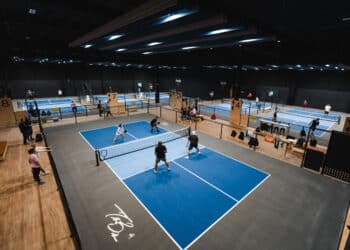


For years, pickleball lived in what can only be described as the Wild West era — fast growth, loose rules, endless experimentation and opportunity everywhere you looked. Clubs popped up overnight. Paddle brands multiplied. Ambassadors sold from their trunks. Everyone wanted a piece of the gold rush.
But that era is ending.
The pickleball community is now entering what feels more like the Roaring 20s — a time of structure, business maturity and real competition. Systems are being built. Standards are forming. And the industry is beginning to look less like a backyard hobby and more like a legitimate sport economy.
With that shift comes opportunity — and risk.
Oversaturation Is the First Warning Sign
We’re already seeing the early signals:
- Oversaturation of clubs in certain markets
- Online retailers competing against the very dealers who carry their products
- Court-to-court “ambassadors” undercutting legitimate pro shops and coaches
- Paddle manufacturers leveling off after years of explosive growth
What once felt limitless is now becoming competitive. Margins are tightening. Locations matter more. Brand loyalty matters more. Professionalism matters more.
This is no longer about who shows up first — it’s about who runs the best operation.
A Clear Winner Emerges
Every boom period produces consolidation, and pickleball is no different.
DUPR has emerged as the clear winner in the rating wars, with major tours and associations adopting one common system. That kind of standardization signals maturity. It allows leagues, tournaments and clubs to speak the same language of competition.
Pickleball is no longer just play — it is business.
The Big Question: What Comes Next?
So what looms ahead?
Is pickleball headed toward its own “Crash of 2029,” when too many clubs, too many brands and too much hype collide with economic reality?
Or are we poised to move right past that and continue building a sport that people genuinely love to play, watch and invest in?
The truth likely lies somewhere in the middle.
Some ventures will fail. Some markets will cool. Some brands will disappear. That’s not collapse — that’s evolution.
Strong operators will survive. Well-run clubs will thrive. Companies that add real value to players and communities will endure.
From Gold Rush to Long Game
The Wild West phase was about speed. The Roaring 20s phase is about sustainability.
Pickleball is no longer just about putting courts on the ground. It’s about:
- Community
- Programming
- Customer experience
- Smart partnerships
- Long-term vision
Those who treat pickleball like a quick flip may struggle. Those who treat it like a real sport and a real business will shape the next decade.
The Wild West is over. The Roaring 20s have begun. And the future of pickleball will be written by those who build with purpose.
Ted Angelo is the co-founder and COO of The Hub Pickleball.