

Over the last 14 years covering health and fitness businesses, starting with health clubs and now including pickleball, a common theme has remained consistent.
That theme is that the amenities, technologies and infrastructure of your business are important, yes. However, they are completely secondary to one thing: Your customer or member experience.
Member experience can encompass many things, but essentially it comes down to the feeling you provide. Do your members have a frictionless experience from everything from joining your club to booking a court? How are they greeted when they enter the facility? How are complaints or issues addressed or handled? If these experiences are positive, I’ve found everything else fades into the background.
That is why you see DIY facilities with low budgets thrive in small communities, boasting robust membership bases and raving Google Reviews, despite what on the surface may look like low-budget courts and equipment.
While on the other hand, you see $1 million build-outs completely go bust 12 months after opening. Of course, there are other factors, but I’ve found that organizations that focus on customer experience above all tend to thrive in the long run. The hard truth is that a beautiful facility can attract members — it just can’t keep them.
So, how do you know if you’re providing a great customer experience? The key is to systematically measure it. Google Reviews are a clue, but shouldn’t be completely relied on — they’re outside your control, and members who had a neutral experience rarely bother leaving one at all. You should be actively seeking feedback through surveys or member listening technologies such as MXM, Listen360, Patch or others. These tools give you a consistent, ongoing read on how your members actually feel, not just the loudest voices on either end of the spectrum.
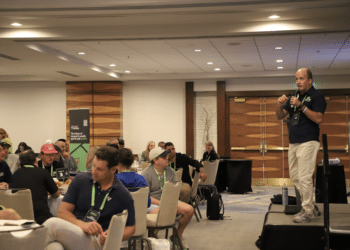
Blair McHaney, the CEO of MXMetrics, a company that measures NPS scores and customer feedback, put it this way during a recent course on member experience: “You’re not good at hospitality unless the member says you are. You can talk about it all you want and say you are, but the proof is in actually measuring it and getting the feedback — and then actually using that to animate the things that you do behind the scenes.”
Over time, that feedback allows you to refine your product, retain members and build a significant leg up on the competition. I have seen this play out time and again in the fitness industry. The organizations that consistently mine for customer feedback — and actually act on it — come out on top. There is no reason to believe pickleball will be any different.
None of this is to say you shouldn’t invest in your facilities, technology and equipment. What I am saying is that these things complement and elevate clubs who have strong foundations in customer service. The clubs that will win long-term in the pickleball space are the ones where members feel genuinely welcomed, known by name, and confident that any problem will be handled with care. That’s not something you can buy, it’s something you build.

With over a decade spent covering the business side of sports and fitness, Rachel Chonko brings a wealth of experience and a true passion for active communities to Peake Media. As Editor-in-Chief, she’s focused on helping pickleball clubs and fitness facilities thrive, from guiding growth strategies to showcasing the latest industry trends. Rachel also hosts the Club Solutions Magazine Podcast, where she interviews leaders in fitness and pickleball to share insights and success stories with the wider community to give her listeners a competitive edge.
After taking up pickleball herself, Rachel has come to appreciate the sport’s unique blend of social connection and active living — a mix that’s perfectly in line with her editorial philosophy. Connect with her on LinkedIn, or check out her articles below for a deep dive into the energy and culture driving pickleball’s rapid rise.