Learn how RECS turns youth camps into lifelong members.
Youth programming has become one of the clearest growth levers in pickleball, and the clubs getting it right are designing experiences around how young players learn and what’s going to keep them and their families coming back to the club.
At RECS, a brand with clubs located across Oregon and Washington, youth programming is built around several principles that can be applied well beyond its own clubs by making development feel like play, grouping players thoughtfully, giving instructors flexibility, building safety into the program from the beginning and creating connections with families and the surrounding communities.
Making Development Feel Like Play
For RECS founder and CEO Kevin Richards, the most important piece is making sure skill development never comes at the expense of enjoyment.
“Kids don’t just drill technique in isolation; they immediately get to use it in a game that feels like play rather than practice,” said Richards.
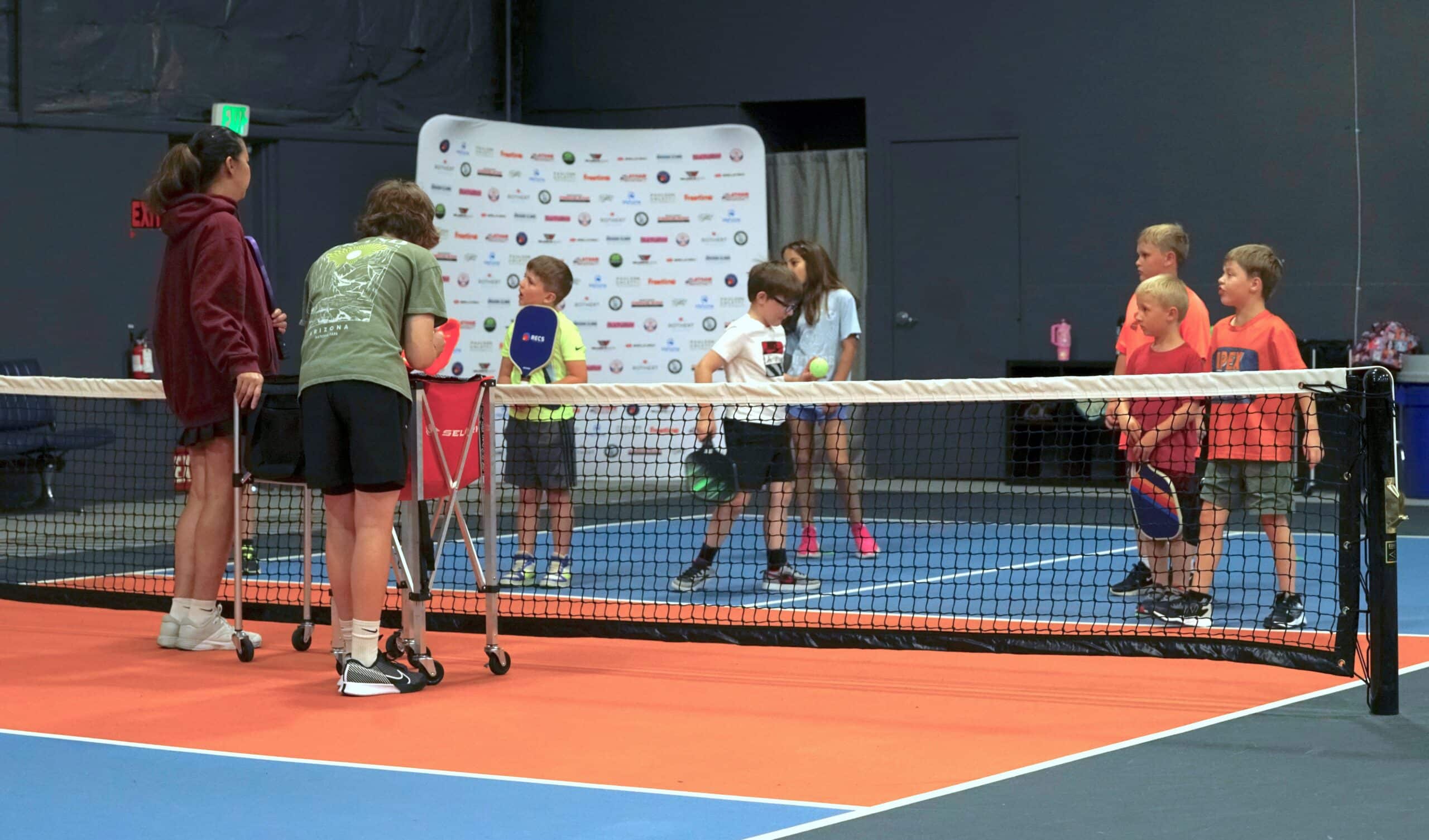
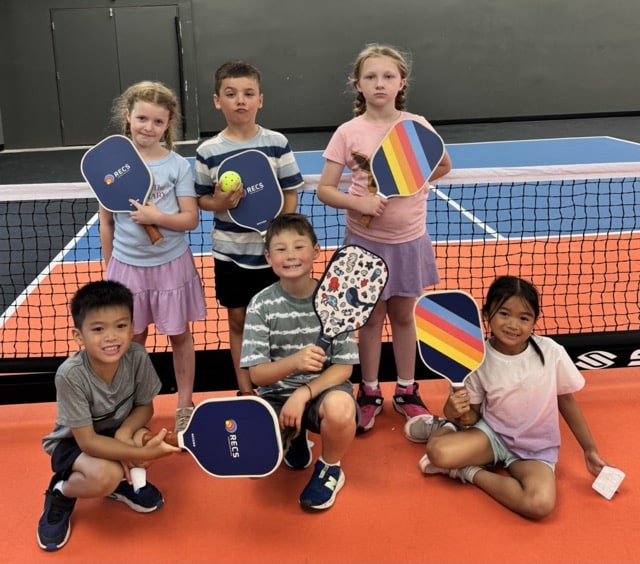
That balance is at the center of RECS’ current youth offerings, which include kids camps and a recently introduced family round robin that gives children and parents a chance to compete together. As the organization expands, it treats those programs as part of a larger pathway for young players rather than a way to fill court time.
Youth programming doesn’t have to mean choosing between fun and development — the two reinforce each other when instruction connects directly to something a child wants to do. Richards said that approach keeps engagement high because younger players are motivated by fun first, with skill development happening naturally inside the experience.
Parents notice the difference too, coming home to hear about the games their kids played rather than the drill they ran through. That excitement becomes its own retention tool.
Grouping Players by Age and Skill
Team grouping is another piece of the model. RECS starts with age, then layers in skill level.
A six-year-old and a 14-year-old may have similar pickleball abilities, but their attention spans, physical development and social needs can be very different. Within age groups, RECS further separates players by skill so they aren’t coasting through material that’s too easy or becoming discouraged by something beyond their current ability.
For operators, that’s a relatively simple adjustment that can have a significant impact on the experience.
But RECS doesn’t treat those groupings as permanent. The instructors can move younger players into older groups when their skills have developed beyond what their age group can provide.
“The goal is always to keep kids in the group where they’ll grow the most, both in skill and confidence,” said Richards.
That flexibility is important because effective youth programming requires structure without becoming overly rigid. A curriculum can provide consistency, but instructors still need the ability to recognize when an individual player needs something different.
Staffing, Safety and the Bigger Picture
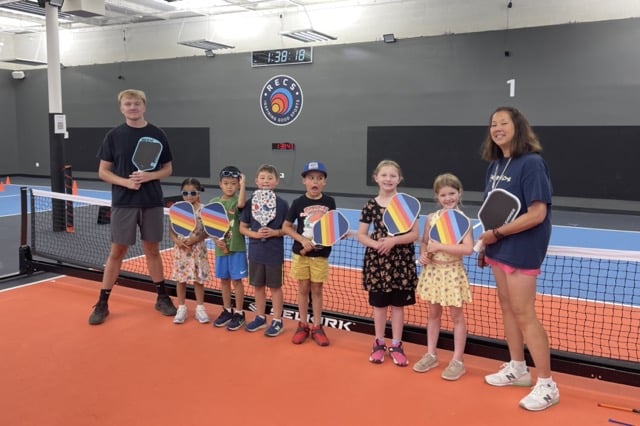
RECS applies the same thinking to staffing. Certified, experienced instructors build the curriculum, oversee progression and hold responsibility for safety, while experienced youth volunteers supplement staff during camps and high-demand programs. That structure lets RECS add capacity without shifting responsibility for instruction quality away from its core staff.
Safety is another area where RECS has established clear standards. Children need a parent or guardian signature before receiving facility access, and the club maintains a minimum ratio of one adult for every eight youth players regardless of how full a session gets, with regular snack and hydration breaks built into camps. In a mixed-age club environment, those policies give staff a clear supervision framework while age-based grouping keeps children in appropriate settings.
Richards sees the benefits extending beyond the courts. Youth pickleball builds social skills alongside physical ones — kids connect with peers, improve coordination and fitness, and develop discipline and teamwork.
“We’ve watched kids who started out shy or hesitant come out of their shell over a season,” said Richards. “That kind of confidence carries over into the rest of their lives, not just onto the court.”
From Campers to Members
That framing shapes how RECS talks to parents, too. Rather than positioning youth pickleball solely as an activity, the club emphasizes itself as a place where children can be active, make connections and gain confidence — a value proposition operators can lean on in how they market their own programs.
That family connection pays off for the club as well. RECS has seen families join as a household after a child started in camp and has watched kids who came up through youth programs eventually age into a membership on their own.
The result is a youth program that can serve as both an entry point and a long-term relationship builder.
For operators looking to build something similar, Richards recommends starting with the local school community: find an experienced person already embedded in a school who has established relationships with children and families. That person can give a club credibility and access that would otherwise take years to build.
“Everything else — curriculum, staffing ratios, camp structure — can be built and refined over time,” said Richards. “But without that local relationship, you’re building a program in a vacuum and hoping local families find it.”
RECS is positioning itself for that evolution as youth pickleball moves toward more serious competitive opportunities. The organization expects to have four clubs across Oregon and Washington by the end of 2026 and wants its youth programming to help provide a pathway from casual play to structured development and, potentially, competition.
As more clubs compete for the same families, the operators building real youth pathways are the ones positioned to turn today’s campers into tomorrow’s members.

Jordan Meek is a staff writer for Pickleball Innovators, where she covers the rapidly evolving business of pickleball — from facility growth and technology to player experience and industry strategy. A graduate of Denison University with a degree in Journalism, she joined Peake Media in 2025 and brings a passion for storytelling and curiosity to every piece. Jordan is driven to spotlight the leaders shaping the sport and uncover insights that help operators thrive in the fastest-growing game in America. Reach her at jordan@peakemedia.com.