Center Court looks at how tournament technology can improve the player experience during an event.
Tournament days leave little room for friction. Players want to know where to be and when, schedules shift, and organizers are juggling court availability, scoring and communication across a facility full of people. How well those pieces connect can shape the experience just as much as the competition itself.
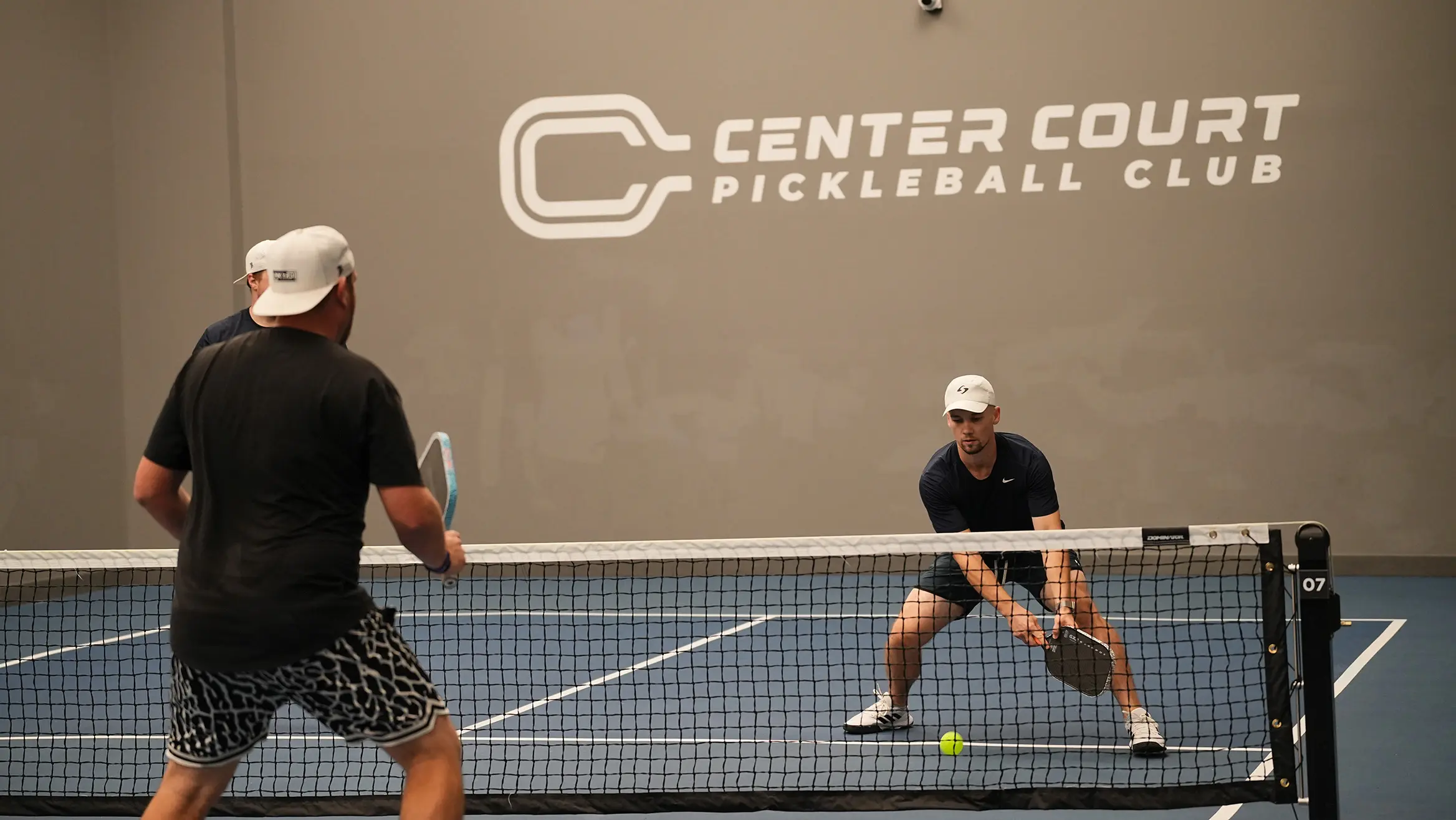
Center Court Pickleball treats technology as a core part of how it meets those demands. The company evaluates each tool on whether it simplifies tournament operations and creates a better experience for players with the goal to make it run smoothly without losing the personal interaction that brings people back.
Reliability, simplicity and integration are the three priorities CEO Tim Keightley looks for in a tournament technology stack. Systems need to be intuitive for staff and allow information to move efficiently between the different stages of an event.
“The best technology creates a seamless experience while allowing the team to remain focused on the players,” said Keightley
The brand’s approach goes beyond using software to manage brackets and court assignments by looking for ways to connect its existing systems in ways that provide additional value to participants.
One example is the link between Center Court’s in-club camera system and the court assignment process. When players are assigned to a court, the system can connect them with footage of their matches. The capability is available at in-house tournaments as well as third party events hosted at the facility, including USA Pickleball Golden Ticket and Major League Pickleball events.
The integration shows how an operational tool can add to what players take away from a tournament. Court assignments are a given part of running an event but connecting them to match footage adds value without requiring players to go through entirely separate process.
Keightley said Center Court doesn’t just look at the immediate task a platform is designed to perform. The team considers how it can improve the overall experience, especially after the event ends, by taking data such as registrations, attendance and player engagement, along with feedback from players, and uses it to inform decisions of scheduling, format, pricing and communication for future events.
The same thinking shapes how the company works with outside tournament organizers. Groups such as USA Pickleball and MLP typically arrive with their own event staff and technology platforms, which could cause friction when working with the technology already at the club. Finding a stack that allows for integration is essential to make the process seamless.
“The strongest events are those where the tournament operator’s technology can integrate with the technology already built into our facilities,” said Keightley. “That creates opportunities to improve the experience not only for the players, but also for families, spectators and remote audiences watching from anywhere in the world.”
Tournament technology also determines how Center Court deploys its staff. When registration, scheduling and routine communications run efficiently, employees can spend more time with players and on the parts of an event that need a personal touch.
For operators assessing their own tournament processes, this approach offers a practical starting point. Rather than automating everything at once, they can identify the repetitive tasks that consume the most staff time and determine which systems would make them easier to manage. The objective is to free employees to improve the event, not to reduce human involvement.
Feature lists can pull operators in many directions. Keightley’s advice is to begin with the player experience and build the operation around it. He recommends starting with a manageable format, clear timeline and guidelines for both players and staff, and drawing on firsthand experience.
“Most people looking to run a tournament have participated in one themselves, so begin by identifying what worked well in those experiences and where there were opportunities for improvement,” said Keightley. “From there, evaluate whether the technology can help deliver the experience you want players to have.”

Jordan Meek is a staff writer for Pickleball Innovators, where she covers the rapidly evolving business of pickleball — from facility growth and technology to player experience and industry strategy. A graduate of Denison University with a degree in Journalism, she joined Peake Media in 2025 and brings a passion for storytelling and curiosity to every piece. Jordan is driven to spotlight the leaders shaping the sport and uncover insights that help operators thrive in the fastest-growing game in America. Reach her at jordan@peakemedia.com.