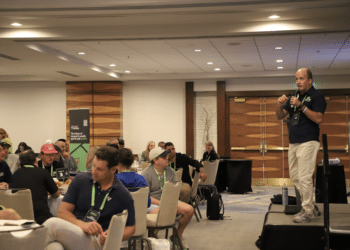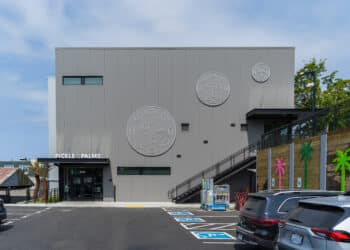

Robert and Deanna Lorincz launch Pickleball 365’s franchise model, with fewer courts and targeting community-driven growth in smaller markets.
The pickleball boom has largely been defined by scale. Across the country, operators have raced to build expansive ventures with dozens of courts, food and beverage offerings and entertainment concepts designed to serve large markets.
Pickleball 365 is taking a different approach.
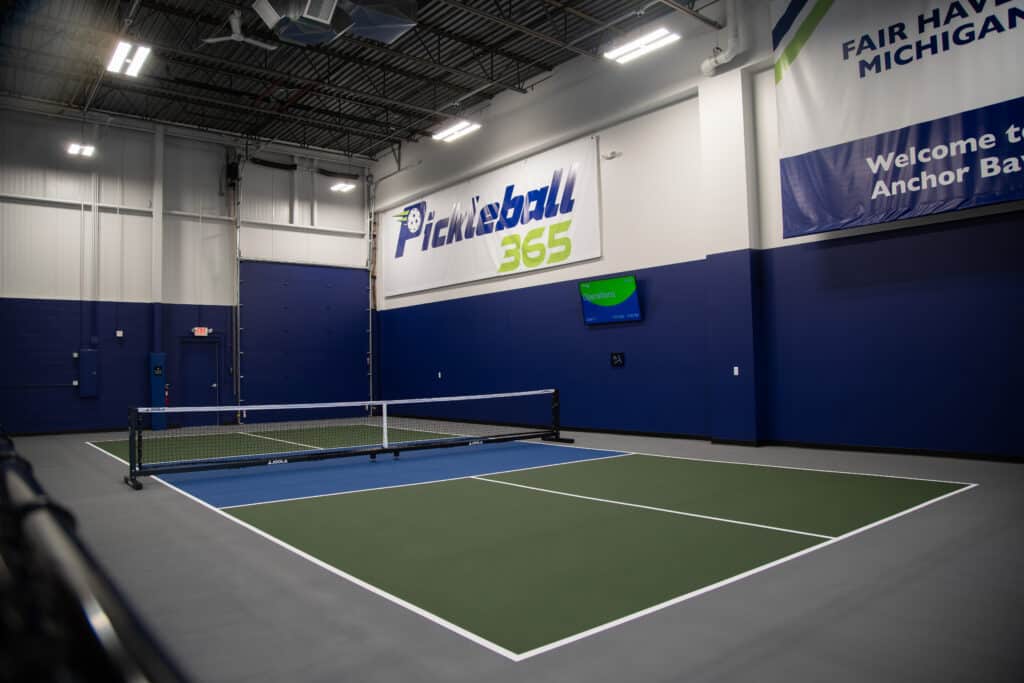
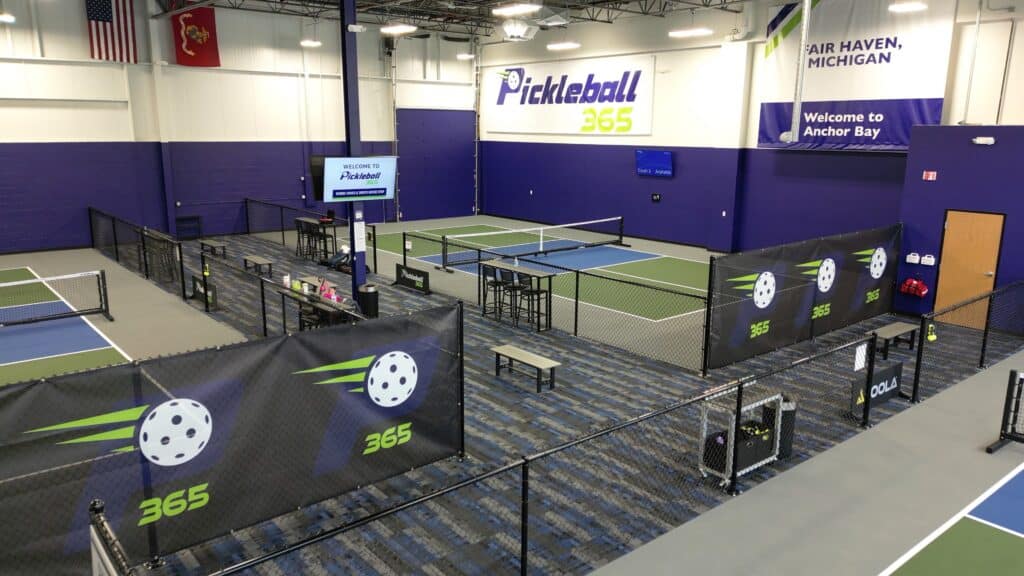
Following more than two years of operating its flagship location in Fair Haven, Michigan, the company has officially entered franchising — not by chasing larger facilities or faster expansion, but by betting there’s an underserved opportunity in smaller markets where community matters more than square footage.
For founders Robert and Deanna Lorincz, franchising was the natural next step for a model that had already proven itself.
“It’s always been a dream to see Pickleball 365s around the country,” said Robert.
That dream just arrived sooner than expected.
Originally, the company planned to open several additional corporate-owned clubs before considering franchising. But after Robert was laid off from his longtime career in corporate technology earlier this year, he and Deanna had to reconsider the timeline.
Rather than returning to corporate America, they chose to go all-in on the business they had spent years building.
The decision wasn’t made overnight. Conversations with advisors, mentors and franchising professionals helped validate something they had realized through operating their Fair Haven club: Pickleball 365 was succeeding because of the experience it created around pickleball and not just the sport itself. That realization became the foundation for the franchise model.
With more clubs popping up alongside the growing industry, operators are beginning to look for opportunities beyond just large cities. Robert believes secondary and tertiary markets represent one of those opportunities.
The model is intentionally smaller than many others, only featuring three to five courts within an 8,000- to 14,000-square-foot facility. That allows franchisees to pursue real estate that larger concepts often overlook, while creating facilities that are appropriately sized for their local demand.
The strategy is well suited for communities similar to Fair Haven where a relatively small local population is supplemented by players willing to travel from surrounding towns.
Instead of competing directly with large-format operators for massive buildings, Pickleball 365 can target spaces with better visibility and more flexible leasing opportunities. Real estate has become one of the industry’s biggest challenges, making that flexibility a valuable advantage.
While facility design may differentiate the brand, Robert believes their biggest competitive advantage is the culture of the company.
The franchise is looking for people who genuinely want to build relationships within their communities, not necessarily pickleball professionals or those with extensive hospitality backgrounds.
“We’re not just building pickleball facilities,” said Robert. “We’re building communities that happen to play pickleball.”
That’s what shapes everything from site selection to programming.
“Start with the community first,” said Robert. “A lot of folks start with the courts and the facility, and those things are incredibly important. But without establishing and building that community first, it’s counterintuitive.”
This reflects a shift that’s been happening across the industry. As participation grows, simply offering court space is becoming less of a differentiator. Operators need programming, leagues, social events and member engagement strategies that keep players returning long after the novelty of a new facility wears off.
One aspect of Pickleball 365’s model that has raised questions is its autonomous operation. To some observers, autonomous facilities suggest less interaction with members. Robert argues the opposite is true.
Technology handles many of the operational tasks that traditionally require staff attention, allowing owners to spend more time participating in programming and interacting with players instead of sitting behind a desk.
“Autonomous doesn’t mean you remove the human element,” said Robert. “The autonomous nature and technology that runs the facility allows an owner-operator to spend more time on programming and spend more time with their community.”
Robert and Deanna run the club with that mindset. They regularly participate in open play, giving them direct feedback from members while remaining active participants in the community they’ve built — something they can’t get from inside an office.
For franchisees, that creates a different vision of ownership that is centered less on day-to-day administration and more on cultivating relationships.
Despite the franchising announcement, Pickleball 365 isn’t prioritizing rapid expansion. The company is continuing to develop additional corporate-owned locations while simultaneously evaluating prospective franchise partners. Both efforts are intended to strengthen the system rather than accelerate unit count.
Robert emphasized that finding the right franchisees matters more than finding the most franchisees. “It’s not just about taking money from anyone who says they want to open a facility,” he said. “Quality over quantity is definitely the focus.”
That approach mirrors where much of the pickleball industry is heading. After several years of explosive growth, operators are becoming more selective about markets, real estate and operational models. Robert sees this as an opportunity.
The brand’s smaller footprint, community-first philosophy and flexible real estate strategy position the concept to serve markets that may never support a massive entertainment complex, but can sustain a neighborhood gathering place centered around pickleball.
Pickleball 365 is betting the next chapter of the industry will be defined by building communities and that franchising is the vehicle that can bring that vision to towns across the country.

Jordan Meek is a staff writer for Pickleball Innovators, where she covers the rapidly evolving business of pickleball — from facility growth and technology to player experience and industry strategy. A graduate of Denison University with a degree in Journalism, she joined Peake Media in 2025 and brings a passion for storytelling and curiosity to every piece. Jordan is driven to spotlight the leaders shaping the sport and uncover insights that help operators thrive in the fastest-growing game in America. Reach her at jordan@peakemedia.com.