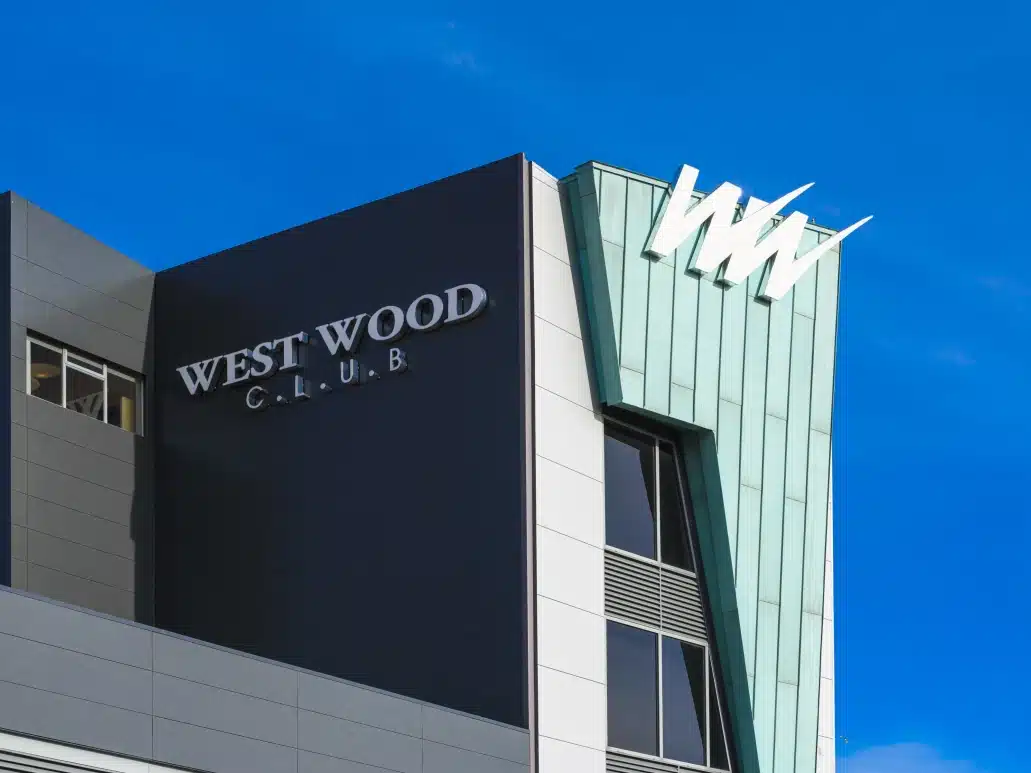
West Wood Club Leopardstown is opening Ireland’s largest indoor padel and pickleball facility, betting on community to keep players coming back.
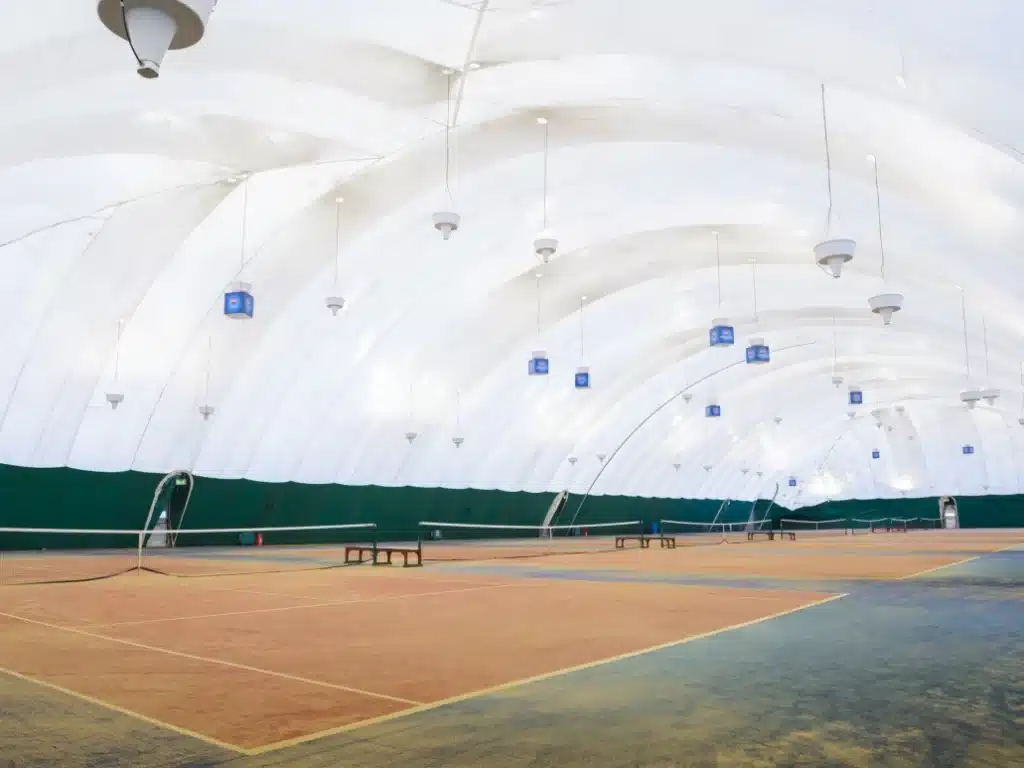
When West Wood Clubs first announced plans to transform one of its aging tennis domes into Ireland’s largest indoor padel and pickleball facility, it was centered on a vision. With the venue nearing its end-of-August opening, the focus has shifted from construction to execution.
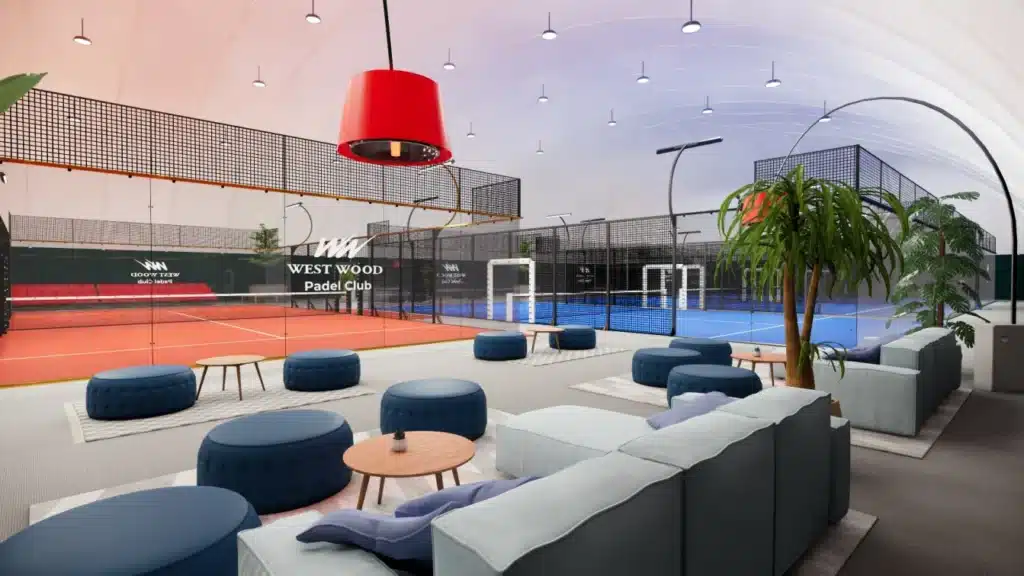
The project at West Wood Club Leopardstown has evolved from an ambitious concept into a nearly finished destination featuring eight padel courts, two dedicated pickleball courts and a new social hub designed to make racquet sports as much about community as competition.
The club’s original announcement highlighted why they decided to invest in the growing sport. Now, CEO Alan Leach believes the real challenge begins once the doors open, because building courts is only half the job.
“Everything is only as successful as the amount of work and effort you put in,” said Leach. “Whether its fitness classes or swimming programs, if you just launch them and don’t have the professional management or marketing behind it, well then it’s a hit and miss.”
That mindset is what has shaped every decision leading up to opening day. West Wood, which operates six health clubs across Dublin, originally pursued the project after the aging air domes at the Leopardstown location needed replacing. The company saw an opportunity to capitalize on the rapid rise of padel across Europe while introducing pickleball before it reaches mainstream popularity in Ireland. The result will become the country’s largest indoor padel and pickleball venue.
However, it proved more complicated than expected. While many operators focus on the cost of installing padel courts themselves, Leach said the biggest surprise came beneath the surface.
“The groundworks are going to cost you more than the court in a lot of cases because it has to be perfect,” he explained. “The tennis courts in our old dome had subsidence over the years and that had to be corrected.”
Those infrastructure improvements, combined with temporary delays related to landlord approvals and construction logistics, pushed the project back several months. But Leach believes taking the extra time was worthwhile to ensure the facility met the standards West Wood envisioned.
The courts themselves are now being installed inside the new dome with professional cushioned playing surfaces and polyurethane walkways surrounding each court. Besides that, the venue has been intentionally designed to be much more than a place to play.
Alongside the courts, the club is adding a container-style café and gathering space while planning music, programming and events intended to create an atmosphere that encourages members to stay long after their matches end.
“We’re throwing everything at it to do what we’re reading about in Europe and the U.S. to make it this kind of entertainment, fun, exciting activity at our clubs,” said Leach.
The emphasis on experience is a broader trend across the racquet sports industry, where operators view social spaces as essential to building player loyalty instead of just optional amenities.
The club has seen much excitement around the project, with Leach noting that questions about the courts dominate conversations with members.
“I’m constantly walking our floors in the gym and it’s the number one question: ‘When are the courts opening? When is the padel opening?’” he said. “There’s been a huge interest in it.”
Even with that interest, the club is planning to use Playtomic, a booking software, to offer member-only court reservations while demand is assessed before opening it up to the public.
Members will pay an additional court fee on top of their memberships, but at a reduced rate compared to other Dublin facilities. While public venues often charge €45 to €50 per hour for padel, West Wood expects members to pay approximately €20 to €25 per hour.
The phased approach allows the club to introduce the new sports in a controlled way while ensuring existing members receive priority access.
Looking ahead, West Wood is already planning beyond Leopardstown. Three outdoor padel courts are being added at another club and Leach said additional locations could follow if participation meets expectations. Not every club has the physical space for expansion, but the larger facilities remain candidates for future development.
Still, Leach cautions operators against assuming demand alone guarantees success.
“I think expecting it to be hugely successful just because you built it could be a mistake,” he said. “Any of the research I’ve done is saying getting people to try it is fine, but getting people to play it once or twice a week is another thing.”
That may ultimately become West Wood’s biggest differentiator. Rather than measuring success solely by court bookings or profitability, Leach wants to see packed courts throughout the week, vibrant social spaces and members who have made padel and pickleball part of their routines.
As Ireland’s largest indoor padel and pickleball facility prepares to welcome its first players, West Wood is betting that thoughtful programming, intentional community building and a memorable member experience will keep those players coming back long after opening day excitement fades.

Jordan Meek is a staff writer for Pickleball Innovators, where she covers the rapidly evolving business of pickleball — from facility growth and technology to player experience and industry strategy. A graduate of Denison University with a degree in Journalism, she joined Peake Media in 2025 and brings a passion for storytelling and curiosity to every piece. Jordan is driven to spotlight the leaders shaping the sport and uncover insights that help operators thrive in the fastest-growing game in America. Reach her at jordan@peakemedia.com.