
When a neighborhood in Aurora, Colorado, set out to convert aging tennis courts into a pickleball haven, the intention was good — but the execution fell flat, literally. The installation of plastic versa tiles, meant to be a quick and cost-effective upgrade, turned into a $140,000 cautionary tale. The surface was cracked and uneven, and the ball bounce was so erratic that the community had no choice but to scrap the project entirely.
The lesson? Surface quality isn’t just about player preference: it’s a prerequisite for long-term success.
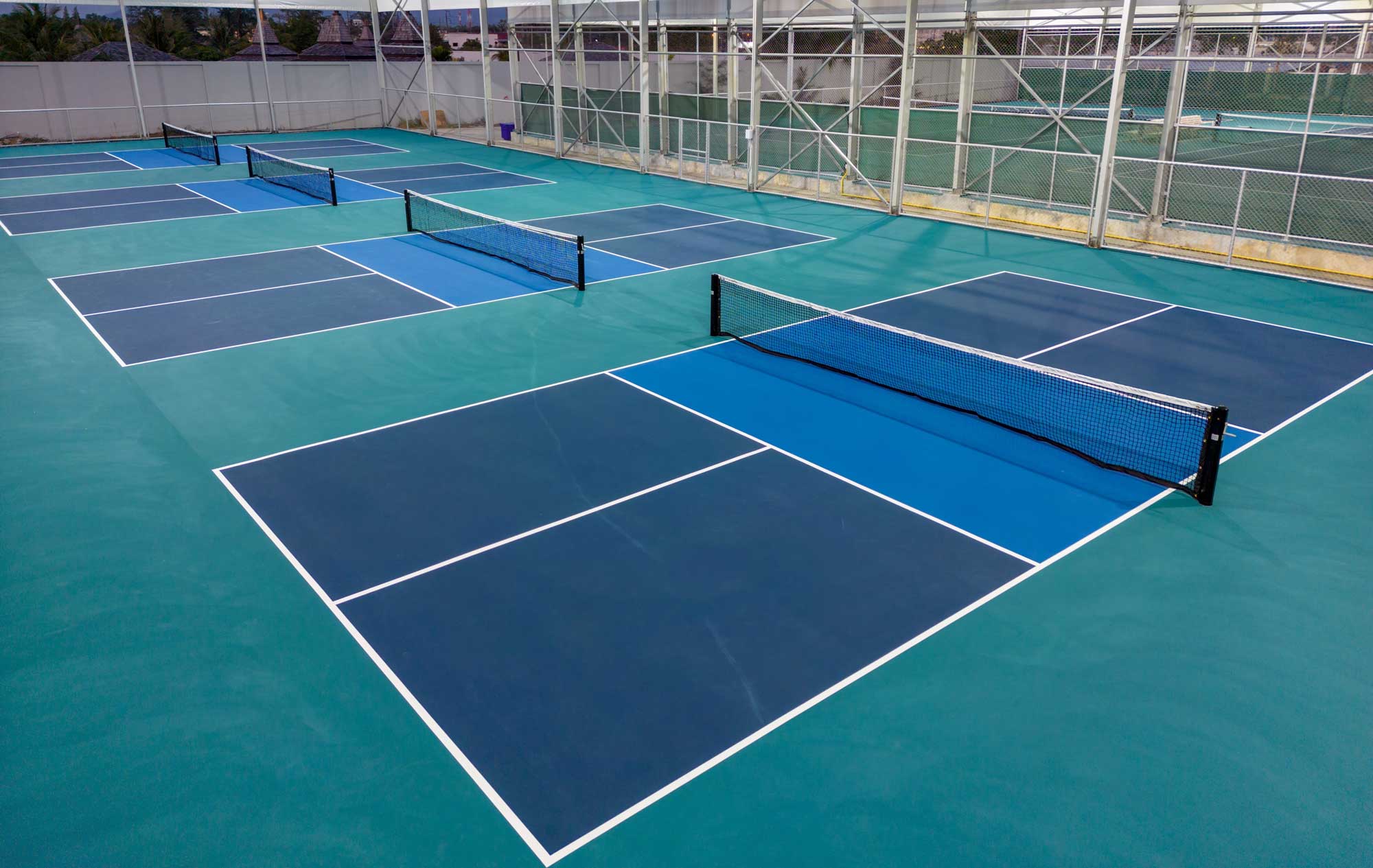
Across the country, pickleball operators are learning this the hard way — or, in some cases, gaining a competitive edge by getting it right from the start. Whether building ground-up facilities or converting warehouse space, clubs that prioritize top-tier court surfaces are seeing stronger word-of-mouth, member satisfaction and repeat play.
At Bozeman Pickleball Club, founder Elliot Marcille put it bluntly: “I got the advice from somebody that $1 invested in the courts versus $1 invested in anything else, you’re going to get 10 times the return on your investment. People are coming for the courts.”
That effort hasn’t gone unnoticed. Bozeman has become a hub for local players despite operating in a less-than-glamorous industrial space. Why? The courts deliver. “It’s just fun to play on a really nice court,” added Marcille. “You don’t want to blow out a hammy if sweat drops down on polished concrete or a basketball court.”
It’s not just about bounce or aesthetics — safety is a major factor. Playing on polished cement or makeshift flooring can increase the risk of injury, especially as play intensity and frequency increase.
That’s why operators like Robert and Deanna Lorincz at Pickleball 365 leaned into expert guidance and elite surfaces. “We have CushionX courts … and no matter how you feel coming in, you’re going to feel that same way going out,” said Robert. “You’re not going to walk out with knee pain, joint pain, foot pain.”
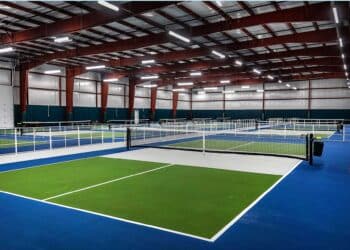
The feedback has been consistent across facilities. At The Picklr Fort Collins, a flagship ground-up build, Chad Preiss, one of the co-owners, noted that their championship-level Just Courts and open-span design with no interior columns will allow them to “create great spaces” optimized for play and community connection.
The takeaway is clear: if you’re a pickleball operator looking to grow, or simply survive in a competitive market, the courts are not the place to cut corners. They are the product. Everything else — the lounge space, the events, the memberships — is secondary to the quality of play.
As pickleball continues to mature, with more discerning players and rising facility expectations, surface quality will only become more central to a facility’s brand, reputation and bottom line. Operators who treat it as a core investment — not a budget line item — will position themselves for sustainable success.
Because when it comes to flooring, the only thing more expensive than doing it right, is doing it wrong.

With over a decade spent covering the business side of sports and fitness, Rachel Chonko brings a wealth of experience and a true passion for active communities to Peake Media. As Editor-in-Chief, she’s focused on helping pickleball clubs and fitness facilities thrive, from guiding growth strategies to showcasing the latest industry trends. Rachel also hosts the Club Solutions Magazine Podcast, where she interviews leaders in fitness and pickleball to share insights and success stories with the wider community to give her listeners a competitive edge.
After taking up pickleball herself, Rachel has come to appreciate the sport’s unique blend of social connection and active living — a mix that’s perfectly in line with her editorial philosophy. Connect with her on LinkedIn, or check out her articles below for a deep dive into the energy and culture driving pickleball’s rapid rise.