
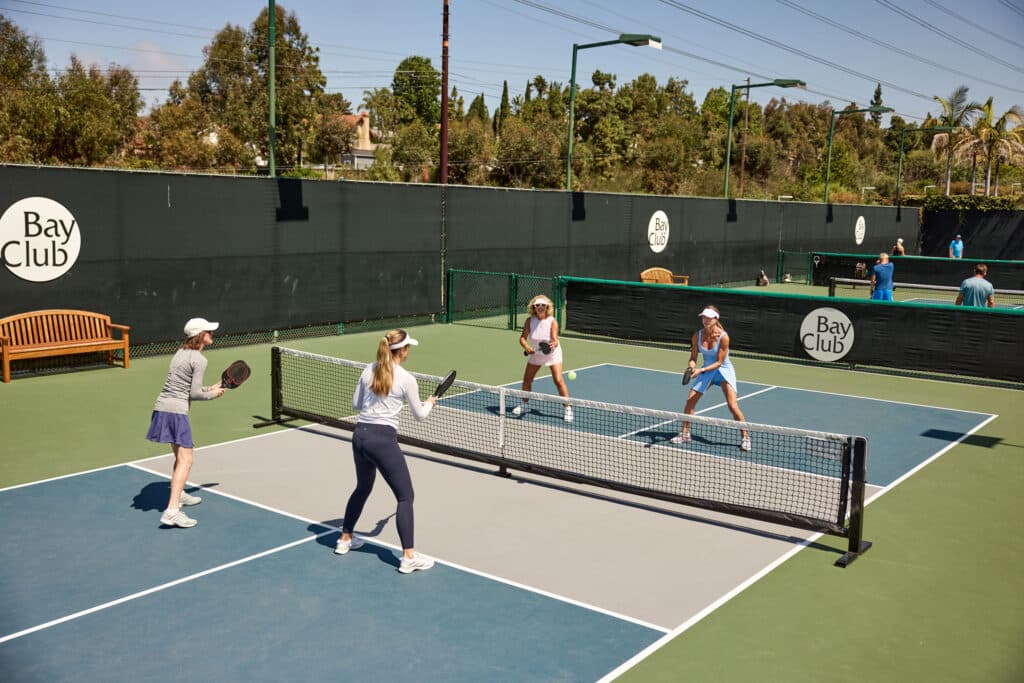
At the 2026 Pickleball Innovators Summit, Todd Kramer, EVP of Sports at The Bay Club Company, will share how one of the nation’s most innovative club operators is approaching pickleball through a different lens — one that prioritizes community, member value and long-term sustainability.
As pickleball operators across the country grapple with questions around memberships, staffing, programming and facility utilization, Todd Kramer, the EVP of Sports at The Bay Club Company, believes the industry may be looking at some of those challenges too narrowly.
For Bay Club, pickleball isn’t a standalone business. It’s part of a larger ecosystem designed to create meaningful member experiences, stronger communities and more engaged teams. That perspective has led the company to experiment with new membership models, rethink talent development and carefully evaluate how facilities are utilized.
Those themes will be front and center when Kramer joins the stage at the 2026 Pickleball Innovators Summit, taking place October 12-14 at the Westin La Paloma Resort & Spa in Tucson, Arizona.
The Shared Membership Model Challenging Industry Norms
Perhaps no topic better represents Bay Club’s willingness to challenge convention than its Shared Membership model.
While much of the fitness and racquet sports industry has historically focused on individual memberships or traditional family plans, Bay Club asked a simple question: Why?

“What if a family wasn’t limited to a traditional family?” Kramer explained during a recent conversation previewing the Summit. “Why would we care if four roommates wanted to join together?”
The result was a membership structure that allows up to 10 people to participate under a single membership. The model serves everyone from young professionals and roommates to multi-generational families spread across multiple cities.
What Bay Club discovered surprised many industry observers. Rather than reducing revenue, the model increased value, attracted younger members and created stronger community connections. Members became advocates, recruiting friends and family into the ecosystem while increasing overall engagement.
The concept also speaks to a broader trend many pickleball operators are beginning to recognize: community is often more valuable than discounts.
At the Summit, Kramer will explore how Bay Club’s approach has impacted retention, member acquisition and long-term loyalty — lessons that extend far beyond traditional health or pickleball clubs.
Developing People, Not Just Pros
Another area where Bay Club is taking a different approach is workforce development.
Many pickleball facilities continue to struggle with finding qualified instructors and creating sustainable career paths for staff. Kramer believes part of the challenge stems from how the industry thinks about professional development.
Rather than immediately requiring certifications and specialization, Bay Club focuses on creating versatile team members who can contribute across multiple areas of the business.
“We want to make them a coach of many things,” Kramer said. “We don’t necessarily see the need for them to specialize in doing one thing.”
The company is developing pathways that expose team members to pickleball, tennis, aquatics, group fitness, programming and event operations before encouraging deeper specialization.
The philosophy aligns with a larger challenge facing the pickleball industry today: building careers, not just jobs.
During the Summit, Kramer will discuss how Bay Club’s internship programs, leadership pathways and cross-functional training initiatives are helping prepare the next generation of club leaders.
Maximizing Space Through Strategic Facility Decisions
As operators continue to evaluate court conversions and expansion opportunities, Bay Club offers a unique perspective on facility utilization.
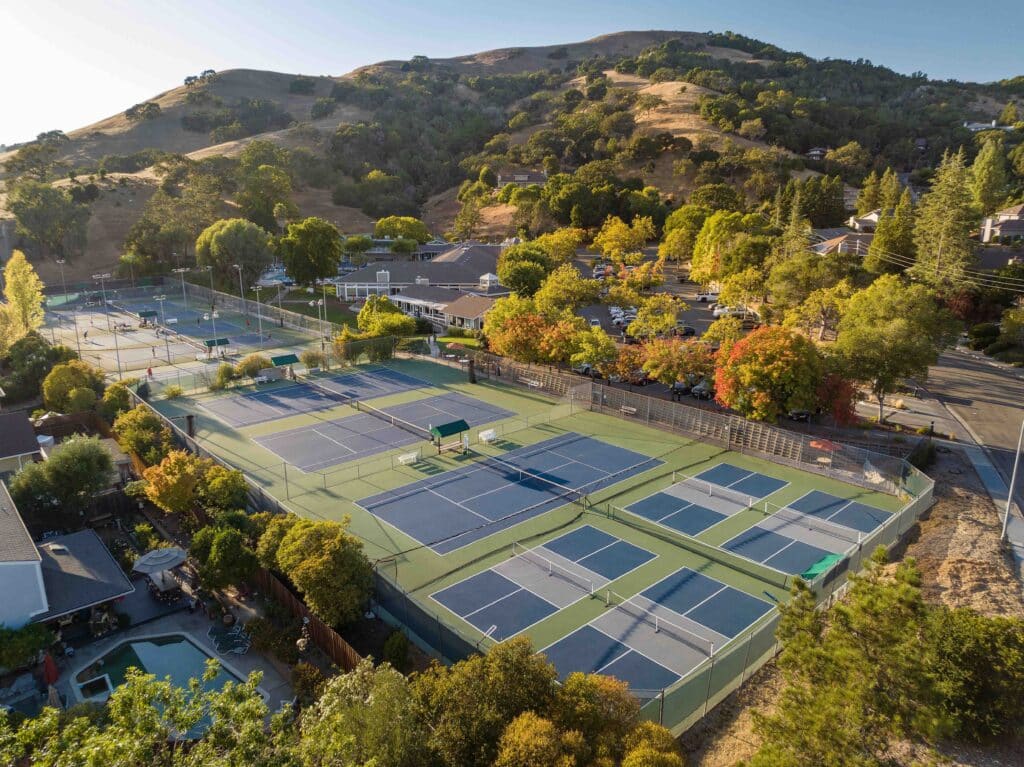
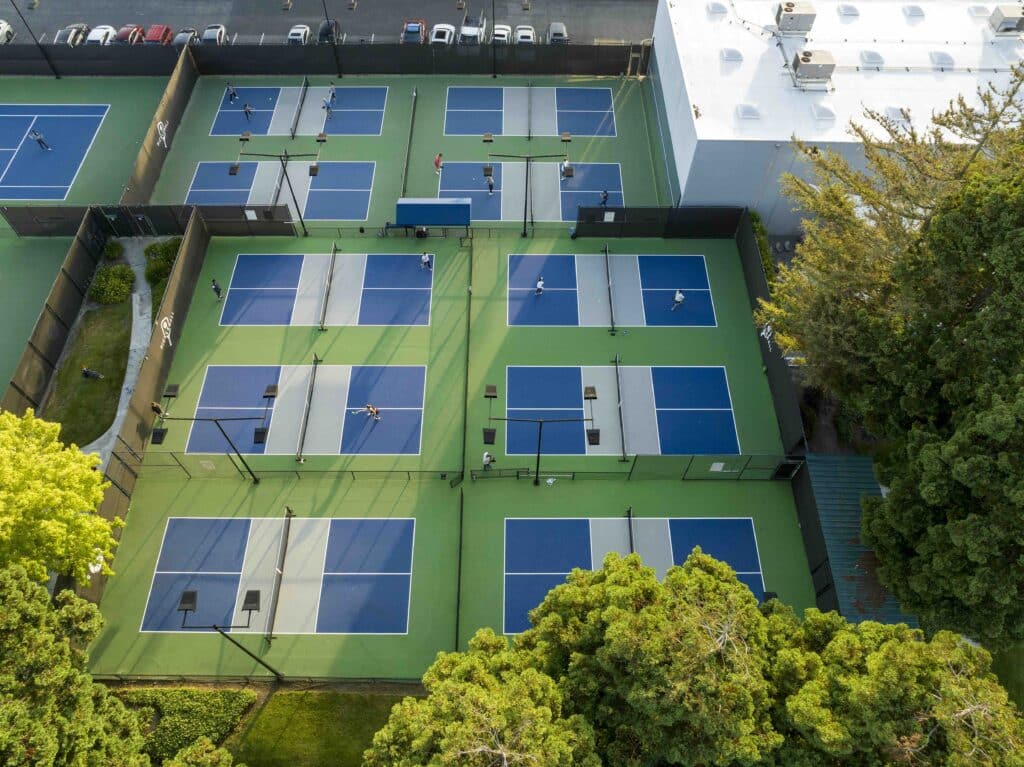
Like many operators, the company initially introduced pickleball through blended lines on tennis courts before gradually expanding into dedicated spaces. However, Kramer noted the organization’s decision-making process is always rooted in utilization and member demand.
“We’re almost always looking at what does something need to stop being in order to become something else,” said Kramer.
For Bay Club, that often meant converting underutilized tennis space into pickleball courts. Yet the company found something interesting: tennis participation remained remarkably stable despite reducing court inventory.
The lesson wasn’t simply about adding pickleball. It was about aligning square footage with evolving member behavior.
Operators attending the Summit can expect a candid discussion around facility allocation, court utilization, technology investments and how Bay Club evaluates the ROI of new amenities.
Corporate Events: An Overlooked Revenue Opportunity
While memberships remain the foundation of Bay Club’s business, Kramer also sees significant opportunity in corporate events and team-building experiences.
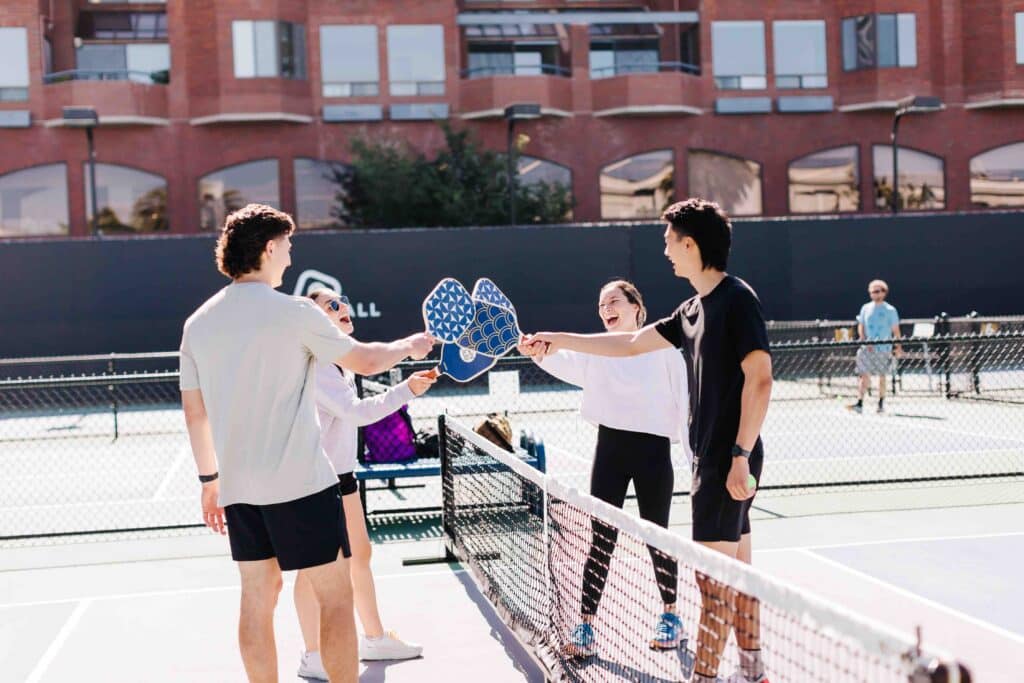
Operating in major markets throughout the West Coast has allowed the company to host events for organizations ranging from local businesses to global corporations. These gatherings often leverage pickleball’s unique ability to bring together participants of all ages, athletic abilities and backgrounds.
Unlike traditional sports, pickleball creates a low-barrier social experience that naturally fosters connection — making it particularly attractive for corporate groups seeking team-building opportunities.
For many independent pickleball operators, this represents an underdeveloped revenue stream.
At the Summit, Kramer will discuss how Bay Club approaches event execution, community partnerships and creating experiences that generate both revenue and long-term awareness.
A Different Way to Think About Pickleball
Perhaps the most valuable takeaway attendees can expect from Kramer’s session is a broader perspective on what successful pickleball operations can become.
Rather than focusing exclusively on programming schedules, court reservations or tournament structures, Bay Club views pickleball as part of a larger member ecosystem designed to foster connection, engagement and belonging.
That mindset has helped the company navigate rapid growth while continuing to adapt to changing consumer expectations.
For operators seeking sustainable ways to grow their businesses, the conversation promises to offer a fresh perspective from one of the industry’s most innovative membership-based organizations.
Join Todd Kramer at the 2026 Pickleball Innovators Summit, October 12-14 at the Westin La Paloma Resort & Spa in Tucson, Arizona, as he shares the strategies, lessons and unconventional thinking helping shape the future of pickleball operations.
To inquire about attending or sponsoring, visit peakemediaevents.com/pbisummit or email rachel@peakemedia.com. Only a few attendee and sponsor spots remain.

With over a decade spent covering the business side of sports and fitness, Rachel Chonko brings a wealth of experience and a true passion for active communities to Peake Media. As Editor-in-Chief, she’s focused on helping pickleball clubs and fitness facilities thrive, from guiding growth strategies to showcasing the latest industry trends. Rachel also hosts the Club Solutions Magazine Podcast, where she interviews leaders in fitness and pickleball to share insights and success stories with the wider community to give her listeners a competitive edge.
After taking up pickleball herself, Rachel has come to appreciate the sport’s unique blend of social connection and active living — a mix that’s perfectly in line with her editorial philosophy. Connect with her on LinkedIn, or check out her articles below for a deep dive into the energy and culture driving pickleball’s rapid rise.