
Pickleball facilities are built around energy, competition and community. But as participation grows — and the player base spans teenagers to retirees — operators must also recognize an uncomfortable truth: medical emergencies are not a matter of if, but when. Smart risk management is no longer optional; it’s foundational to protecting members, staff and the long-term reputation of a club.
A recent story reported by WWAY-TV in Wilmington, North Carolina offers a powerful real-world example. A pickleball player at a local YMCA experienced sudden cardiac arrest after finishing a game. Three fellow players — all retired nurses — immediately administered CPR and used a nearby Automated External Defibrillator (AED) until EMS arrived. Their swift response saved his life. Emergency officials later emphasized that the early 911 call, bystander CPR and, critically, access to an AED were the difference between tragedy and recovery.
For pickleball club operators, this isn’t just a feel-good story, it’s a case study in operational responsibility.
AEDs Are Not “Nice to Have” — They’re Essential Infrastructure
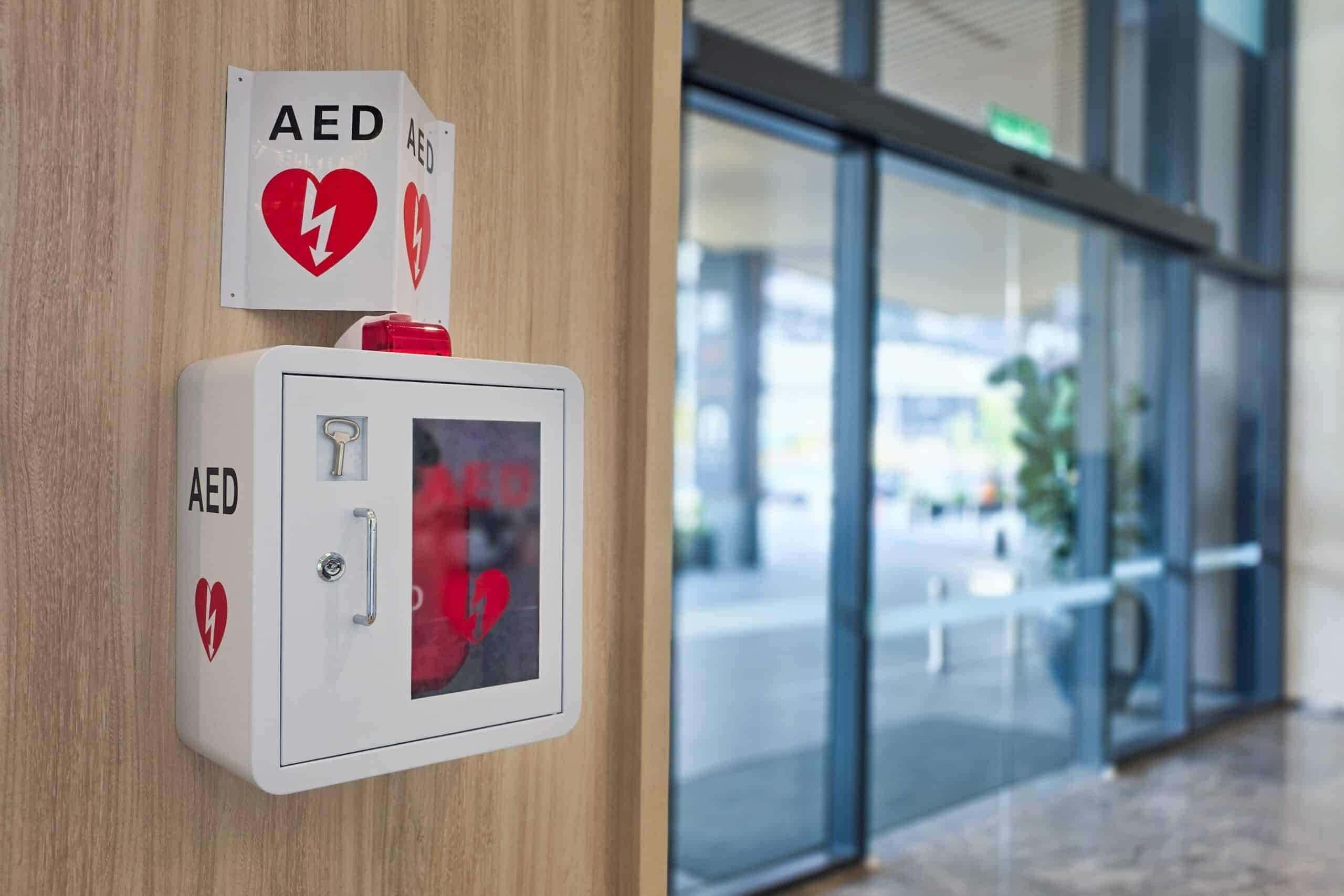
An AED is one of the few pieces of equipment in a facility that can directly determine life or death within minutes. Cardiac arrest survival rates drop dramatically for every minute defibrillation is delayed. In practical terms, relying solely on emergency responders is often too late. Having an AED onsite, visible and accessible, is equivalent to having fire extinguishers or emergency exits. It is baseline safety infrastructure.
Visibility and Accessibility Matter as Much as Ownership
Simply purchasing an AED is not enough. Operators should ensure:
- Devices are clearly marked and mounted in high-traffic, unobstructed areas.
- Staff and regular members know where they are located.
- Batteries and pads are inspected and replaced on schedule.
- Emergency signage is consistent and easy to understand.
A locked office or hidden hallway defeats the purpose. Seconds count, and confusion costs time.
Training Creates Confidence — and Action
In the WWAY-TV report, the presence of medically trained bystanders was fortunate, but clubs cannot rely on luck. Offering quarterly or monthly CPR/AED training for staff — and even for members — creates a culture of preparedness. Training also reduces hesitation. People are far more likely to intervene when they feel equipped and authorized to do so.
Risk Management Is Also Brand Management
Operators sometimes view safety investments purely as cost centers. In reality, they are brand assets. Members notice when a facility prioritizes their well-being. Sponsors, insurers and partners also view proactive safety measures as signals of professionalism and operational maturity. Conversely, a preventable emergency without proper tools in place can permanently damage trust and expose a club to legal and financial risk.
Building a Safety-First Culture
AEDs should sit within a broader risk-management strategy that includes:
- Written emergency response protocols.
- Staff role assignments during incidents.
- Routine drills and refresher trainings.
- Incident documentation procedures.
- Clear communication channels with local EMS.
The goal is not fear — it is readiness. Pickleball thrives on community, and community includes looking out for one another when it matters most.
The story highlighted by WWAY-TV underscores a simple but powerful lesson: preparation saves lives. For pickleball operators, investing in AEDs and emergency training is not merely compliance or optics. It is an affirmation of responsibility to the very communities that make these facilities vibrant in the first place.

With over a decade spent covering the business side of sports and fitness, Rachel Chonko brings a wealth of experience and a true passion for active communities to Peake Media. As Editor-in-Chief, she’s focused on helping pickleball clubs and fitness facilities thrive, from guiding growth strategies to showcasing the latest industry trends. Rachel also hosts the Club Solutions Magazine Podcast, where she interviews leaders in fitness and pickleball to share insights and success stories with the wider community to give her listeners a competitive edge.
After taking up pickleball herself, Rachel has come to appreciate the sport’s unique blend of social connection and active living — a mix that’s perfectly in line with her editorial philosophy. Connect with her on LinkedIn, or check out her articles below for a deep dive into the energy and culture driving pickleball’s rapid rise.