
A veteran of some of the world’s most prestigious fitness concepts is betting big on the sport — and his reasoning should make operators pay attention.
The pickleball industry is attracting investors from all corners of the fitness world — including its most elite corners.
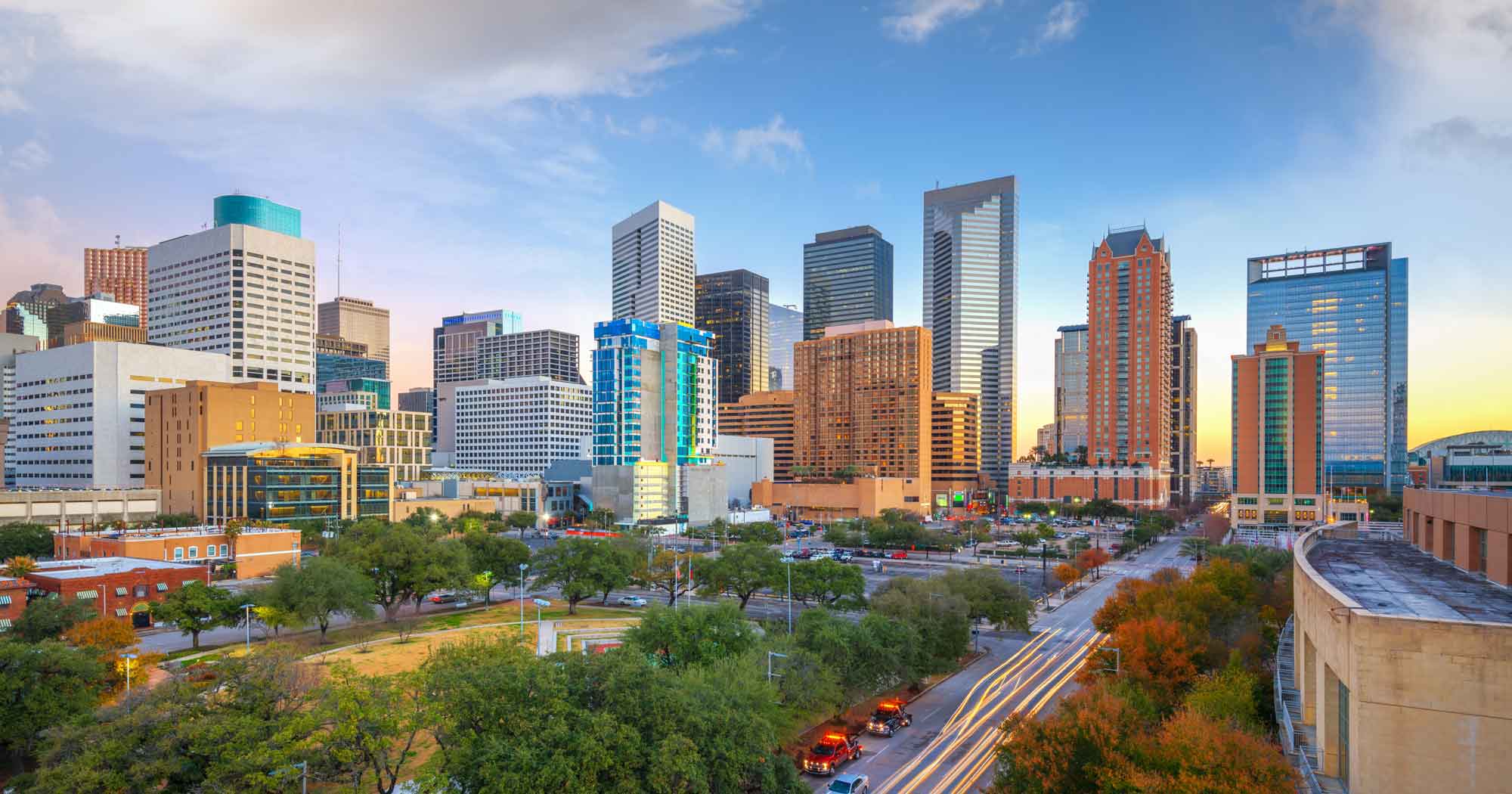
For evidence of this look no further than Herb Lipsman, who spent 13 years running The Houstonian Club in Houston, and who has consulted on fitness centers for three of the city’s most prestigious country clubs. Most recently he has co-founded SOZO Clubs with two other industry veterans, Gary Henkin and Dan Lynch, who together have shaped some of the most respected wellness and hospitality concepts in the world.
So when Lipsman looks at pickleball — not as a recreational trend, but as the social architecture of a $220 to $350-per-month club concept — it’s worth asking: what does he see that others might be missing?
“Pickleball was a huge gift to us during the course of our planning three and a half years ago,” recalled Lipsman. “It was just starting to really take hold, and we instantly jumped on it. It’s such a great social activity that it fits perfectly in alignment with what we’re trying to do with introducing people and bringing them to the club for fun, but healthy, activities.”
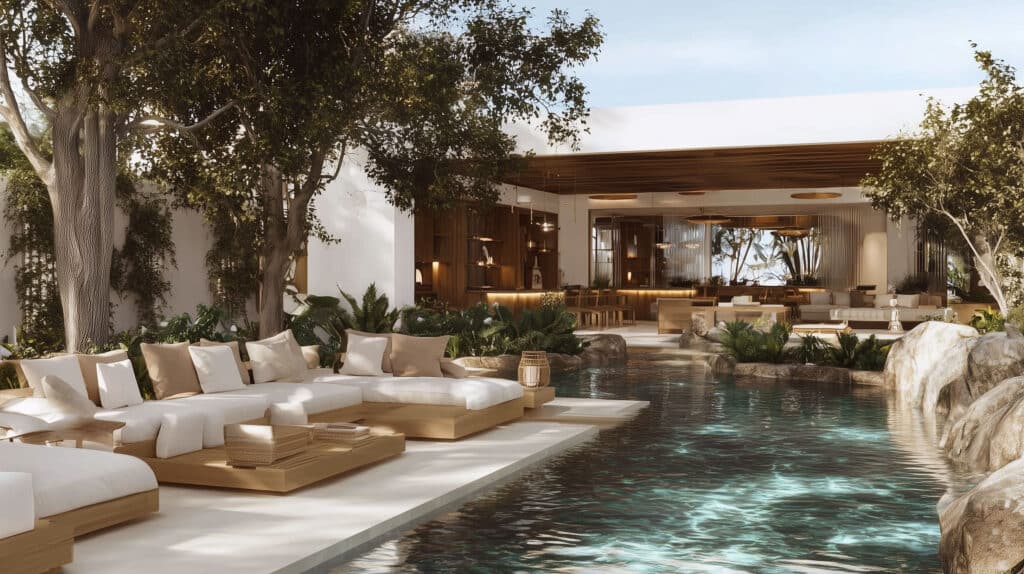
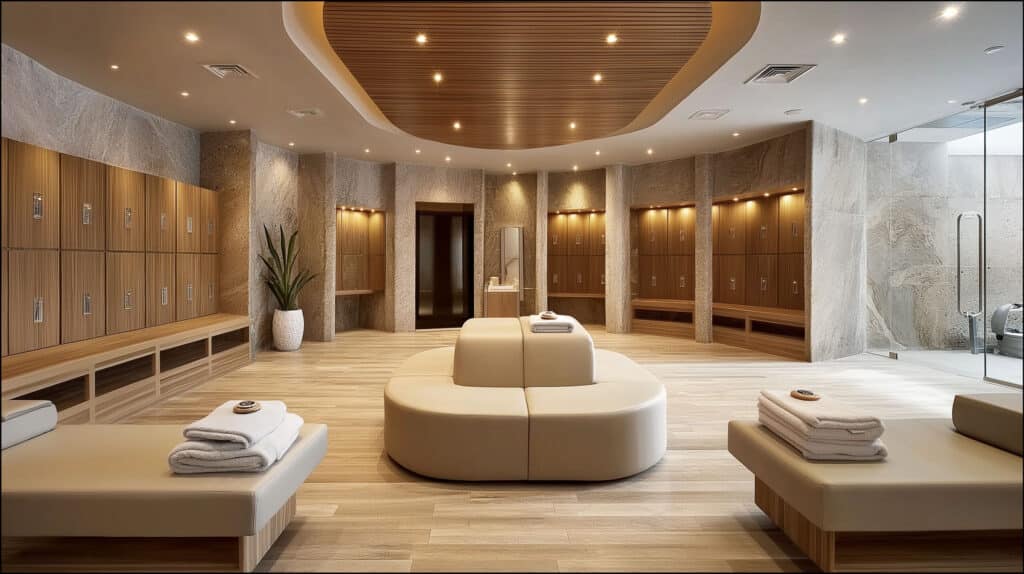
SOZO Clubs, currently in development with its first location planned for the Missouri City/Sugar Land area outside Houston, is not a pickleball facility. It’s a 70,000-square-foot social wellness health club concept — with indoor and outdoor pickleball courts, lap swimming pools, five themed group exercise studios, a longevity spa, and a performing arts theater — designed from the ground up around a single philosophy: that the fitness industry has spent decades failing to connect its own members to each other.
But for pickleball operators, the story of how SOZO is being built, and why pickleball earned a prominent place in it, contains a set of lessons worth understanding.
The Problem Wasn’t the Amenities
Lipsman co-founded SOZO alongside Gary Henkin, the founder of WTS International (now Arch Amenities Group), one of the largest spa, fitness and wellness management and consulting firms in the world; and Dan Lynch, a longtime figure at the Medical Fitness Association. Between the three of them, they had seen the inside of virtually every elite fitness and wellness concept imaginable.
What they kept talking about wasn’t square footage or programming or equipment. It was something more basic.
“All of us shared similar stories that we’d been members of clubs for years and years, and not once did anybody that worked at the clubs attempt to introduce us to other members,” said Lipsman. “And we felt like that was a big void in the industry.”
That observation became the foundation of everything SOZO is designed to do — and it’s why pickleball, with its inherently social structure, made so much sense to Lipsman from the beginning.
He traces the instinct back further than pickleball. A former tennis pro who ran his own tennis academy in Cedar Rapids, Iowa, in his younger years, Lipsman saw the same dynamic play out on tennis courts decades ago.
“I can go back to when I was running my first tennis club in Iowa in the ’70s, and the same groups of players would hang out and have a beer after playing tennis over and over, week after week,” explained Lipsman. “And it didn’t matter if the club was dirty or clean or had the nicest facilities, it was just that they were there with their friends.”
Engineering Connection
Most clubs, Lipsman argues, leave social connection to chance. People might find their people — or they might not. SOZO is designed to remove that uncertainty entirely.
The club is building a proprietary member-recognition and member-matching system that tracks when a member arrives on property and surfaces relevant information to staff in real time — their personal and professional stories.
“Each time you come back to the club from then on, our technology will recognize when you are on the property when you arrive,” Lipsman explained. ” So everybody working in the club will already know you’ve arrived and can engage in meaningful conversations.”
Lipsman is clear that the technology is only as good as the people wielding it. SOZO intends to hire exclusively what he calls “servant hearts” — staff who will be screened through assessment tools and multiple interviews for their genuine love of people and desire to help others, then trained through a custom learning management system focused entirely on emotional intelligence and soft skills.
“This will be their No. 1 focus, introducing members to one another, helping them form new friendships,” said Lipsman.
For pickleball operators, the question this raises isn’t whether to build proprietary software. It’s whether the social connection that happens naturally on a pickleball court is being reinforced — or left to chance.
If You Want to Fill Courts, You Need Programs
When Lipsman describes what he wants to get out of attending the Pickleball Innovators Summit later this year, his focus is immediate and specific. “I know if you want to fill courts, you have to offer quality programs,” he said. ” I want to get a little closer to that at the Summit and hear firsthand what’s working, what’s not working for those who have been at this for a while.”
The observation comes from decades of experience running racquet sport facilities. Programming isn’t supplementary to a great club experience — it’s the mechanism that delivers consistent, repeatable social connection. Open play creates proximity. Structured programming creates community.
For operators who have built their model around court time and open play, this is a meaningful distinction. The clubs that will win long-term, Lipsman’s experience suggests, are the ones that build programming infrastructure with the same intentionality they bring to their physical space.
Don’t Apologize for Your Price
Here’s a question worth sitting with: if you’re offering a genuinely premium pickleball experience — top facilities, great programming, a real sense of community — are you charging like it?
Lipsman has seen this dynamic play out across the most exclusive clubs in the country, and his message to operators is consistent: if the value is there, don’t shy away from the price. Underpricing a premium product doesn’t attract more members. It signals that the product isn’t actually premium.
When he arrived as general manager of the Houstonian in 1993, the club already had a two-tiered membership structure with what were considered aggressively high prices for the time ($3,000 for the base membership). Today, a base membership at the Houstonian costs more than $30,000.
Those numbers are, candidly, not the reality for most pickleball clubs — and they don’t need to be. But the underlying principle is directly transferable: exclusivity and premium amenities should command a premium price, and operators shouldn’t be embarrassed by that.
The more instructive part of the Houstonian story is what Lipsman actually observed between the two membership tiers over more than a decade. He expected tension, but found the opposite.
“I was thinking people would resent the higher-priced people,” said Lipsman. “Instead, they aspired. And so the people that were at the lower-priced membership couldn’t wait till they would get promoted or get a bonus where they could afford to bump up and upgrade to the higher membership. It became a status thing.”
SOZO is applying the same logic from launch. Its base membership is expected to be $1,500 to join and $220 per month. The premium tier will be $5,000 to join and $350 per month — with prices expected to rise as demand builds and the club’s reputation takes hold. The gap between tiers is meaningful enough to confer status, but the base level is still an intentional, premium product in its own right.
For pickleball operators designing or revisiting their membership structure, the framework worth borrowing isn’t any specific price point. It’s the architecture: a base offering that delivers genuine value and attracts a quality member, and a premium tier that creates something to aspire toward — making the base membership the beginning of the journey rather than the ceiling of it.
Designed well, a two-tiered model doesn’t divide your membership, it gives them something to chase together.
The Demographic Hiding in Plain Sight
SOZO will be adults-only — 30 and up, no exceptions. No childcare, no youth sports, no programming aimed at the under-30 crowd. Lipsman calls this a deliberate strategic choice, not a constraint.
“We made this decision purposefully because we felt all the other major players are going after the millennials because that demographic provides the low-hanging fruit,” said Lipsman. ” There’s hardly anyone focused on the level of connecting we will be doing.”
SOZO’s target audience — adults 40 and older— are people who have discretionary income, are looking for social connection, and respond to an experience designed specifically for them rather than adapted from a younger generation’s preferences.
The country club industry, Lipsman argues, is already starting to feel the consequences of not making this bet. He sees the golf business as a cautionary tale — rescued by COVID-era demand, but structurally vulnerable as the baby boomer generation ages out and younger generations prove unwilling to pay high fees for golf and dining alone.
“The millennials and the next generations are not going to be willing to pay those fees for just golf and dining,” said Lipsman. “They will have an increasingly difficult time competing with Life Time, Equinox and the SOZOs of the world.”
What It All Points To
Herb Lipsman didn’t come to pickleball from the outside. He came to it from decades inside the rooms where the most sophisticated health, wellness and hospitality concepts in the country are built. And what he found there confirmed something the sport’s best operators already know intuitively: pickleball is not just a sport. It’s a social infrastructure.
The question is whether the clubs being built around it are treating it that way — designing for connection as deliberately as they design for court capacity, building programs as intentionally as they build facilities, and thinking about the post-game experience with as much care as the game itself.
“It’s such a great social activity,” Lipsman said.
Lipsman and his co-founders are building a $220 to $350-per-month club concept around that idea. Operators who’ve already built their businesses around pickleball courts might ask themselves whether they’re fully capitalizing on the same insight.
SOZO Clubs is currently in development, with its first location planned for the Missouri City/Sugar Land area outside Houston, Texas. The club is targeting an opening in 2028.

With over a decade spent covering the business side of sports and fitness, Rachel Chonko brings a wealth of experience and a true passion for active communities to Peake Media. As Editor-in-Chief, she’s focused on helping pickleball clubs and fitness facilities thrive, from guiding growth strategies to showcasing the latest industry trends. Rachel also hosts the Club Solutions Magazine Podcast, where she interviews leaders in fitness and pickleball to share insights and success stories with the wider community to give her listeners a competitive edge.
After taking up pickleball herself, Rachel has come to appreciate the sport’s unique blend of social connection and active living — a mix that’s perfectly in line with her editorial philosophy. Connect with her on LinkedIn, or check out her articles below for a deep dive into the energy and culture driving pickleball’s rapid rise.