
The pickleball boom has been one of the great success stories in recreational sports, but staying ahead means understanding the economic forces shaping the industry right now.
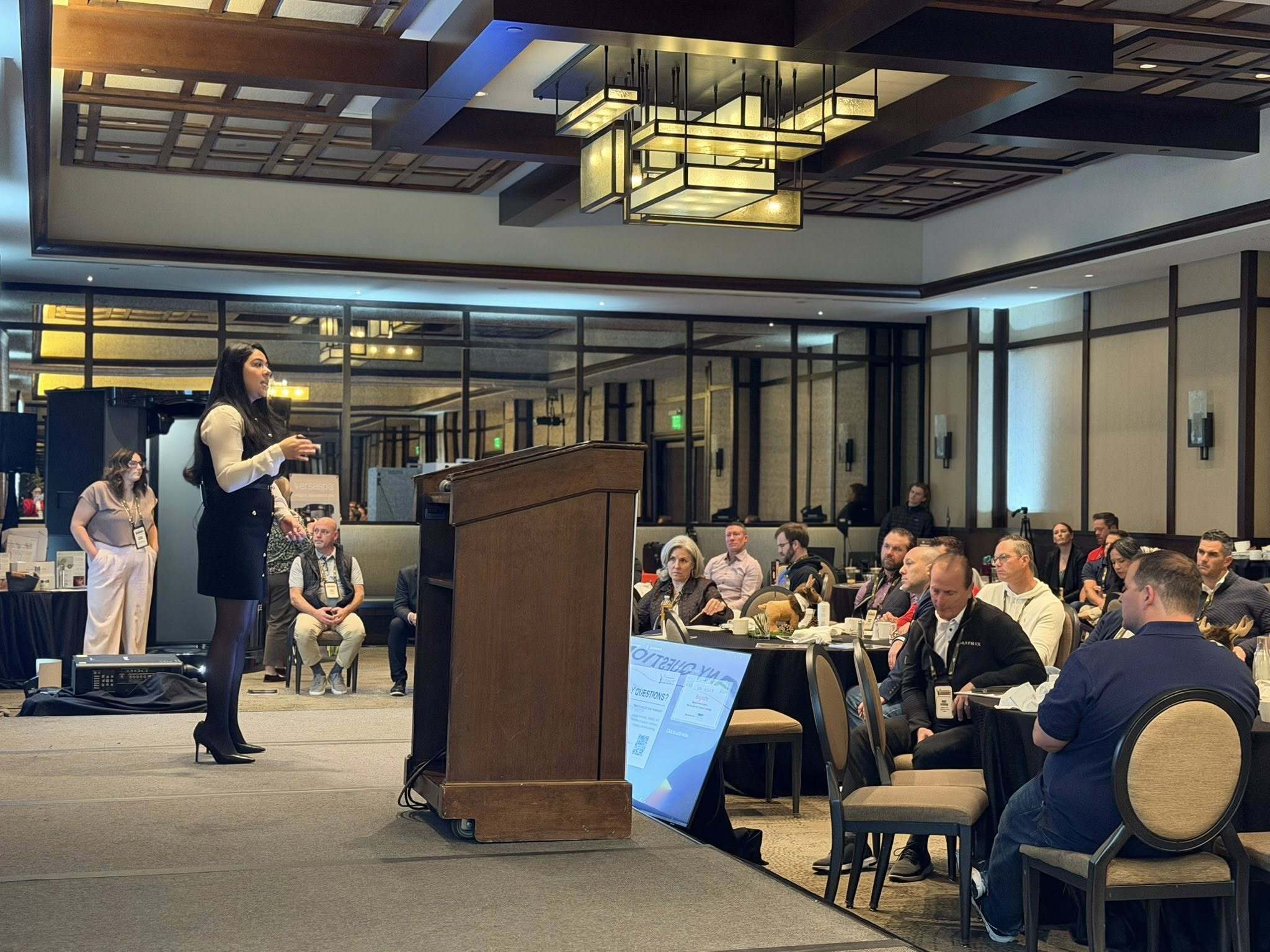
At the recent Club Solutions Leadership Summit — a sister brand to Pickleball Innovators — ITR Economics senior consultant Tara Bayke broke down the most important economic trends of 2026 and beyond in her keynote, “Seeing Around Corners: How to Lead with Economic Foresight.”
Here are the top takeaways and what they mean for pickleball club operators navigating today’s landscape.
1. Inflation Is Reshaping Pickleball Club Operating Costs in 2026
One of the most urgent pickleball club economic trends in 2026 is accelerating inflation. According to ITR Economics, prices are rising faster this year than they did in 2024 or 2025. While the peak of inflation was back in 2022, the rate is climbing again and is expected to remain elevated through 2028, with a particular spike forecasted around that year before moderating.
For fitness and recreation operators specifically, the producer price index for fitness and recreational sports centers is up approximately 6.6% year over year. That’s everything from utilities and equipment to supplies and contracted services.
What this means for pickleball clubs: Your operating costs are going up regardless of what you do. Court maintenance, lighting, HVAC, equipment replacement — budget for increases across the board. Review vendor contracts, renegotiate where possible, and build inflation assumptions into your 2027 and 2028 financial planning.
2. Pickleball Club Membership Pricing: You Have Power — Use It
Here’s the good news hiding inside that 6.6% cost increase: that same data signals strong demand. When prices in a market continue to rise even as consumers face tighter household budgets, it means people are still choosing to spend there. They want to be active. They want community. They want what you offer.
The top 20% of household earners are driving the majority of discretionary spending right now, and they’re largely insulated from economic pressure. These are exactly the members pickleball clubs tend to attract — active adults with disposable income who prioritize health and recreation.
What this means for pickleball clubs: Don’t be afraid to raise membership rates to reflect your rising costs. If your clientele is largely higher-income and engaged, they’ll absorb a reasonable price increase. What they won’t forgive is a decline in quality or experience.
3. Pickleball Club Staffing Is Your Biggest Long-Term Challenge
Among the most pressing pickleball club economic trends in 2026 is a historically tight labor market. According to ITR Economics, there is currently roughly one unemployed person per job opening in the U.S. The core driver is demographic: Baby Boomers are exiting the workforce faster than younger, smaller generations can replace them.
The practical consequence? Wages are rising. ITR projects a roughly 20% increase in median earnings from 2025 through 2029.
Competing purely on salary is a losing game for most operators. Instead, Bayke shared culture is your best recruiting and retention tool. Surveys consistently show that younger workers rank culture above salary when choosing where to work and whether to stay. They want to feel valued, to grow, and to see a future within an organization.
What this means for pickleball clubs: Staffing your front desk, coaching staff and facility operations team will remain hard and expensive. Invest in culture early — communicate a clear vision, create advancement opportunities, and make your team feel like insiders. Consider cross-training staff to cover multiple roles, and explore technology that reduces dependence on headcount, such as scheduling software, self-check-in and automated communications.
4. Lock In Capital Now, Before Interest Rates Rise
Interest rates have been cut three times recently, but inflation hasn’t slowed in response — which means the Federal Reserve’s new chair may hold rates steady or even raise them. The window of relatively lower rates may be narrowing.
What this means for pickleball clubs: If you’ve been considering a capital project — court expansion, facility upgrades, acquiring a competitor’s location, or equipment investment — now is the better time to act than waiting. Borrow and invest while rates are manageable. Delaying could cost significantly more.
5. The 2026 Pickleball Club Opportunity: Becoming a Third Space
One of the most exciting pickleball club economic trends in 2026 is the surging demand for “third spaces” — community venues that are neither home nor work. With social isolation on the rise since 2020 and traditional gathering spots pulling back, people are actively seeking places to connect.
Clubs that have leaned into this concept — offering spaces for people to hang out, socialize, or simply be around others — are especially well-positioned for the next decade. Experiences that deliver real human connection are increasingly valuable.
What this means for pickleball clubs: Pickleball is inherently social — you’re already ahead of the curve. The question is whether you’re intentionally building a community or simply renting court time. Think about your lobby, your lounge areas, your post-match gatherings, your events calendar. The clubs that double as community hubs will be far more resilient in the years ahead.
6. Preparing Your Pickleball Club for the 2030s Economic Outlook
No discussion of pickleball club economic trends in 2026 is complete without looking further ahead. ITR Economics has projected for over a decade that a global economic depression is likely in the early-to-mid 2030s, lasting roughly six years, driven by demographic shifts, unsustainable national debt, rising entitlement costs and persistent inflation.
This isn’t doom and gloom, but a realistic reality to plan for. The prescription for operators: reduce debt, build cash reserves, identify your most loyal and price-insensitive members, and be strategic about acquisitions. Buying distressed assets at lower prices during the downturn could position your club well for the recovery that follows.
What this means for pickleball clubs: You have roughly four to five years to strengthen your financial foundation. Prioritize profitability and cash flow now. Know which members will stay regardless of economic conditions and build deeper relationships with them.
7. Active Aging: A Booming Growth Market for Pickleball Clubs
When asked about growth sectors for the decade ahead, ITR’s Bayke highlighted the active aging and longevity services market as one of the most significant opportunities. Senior living facilities with active programming are already at capacity in many markets. As healthcare costs rise, doctors are increasingly recommending exercise over medication — making fitness a preventative health choice, not just a recreational one.
What this means for pickleball clubs: Pickleball’s existing demographic skews older in certain markets, which is an advantage. Programming for active seniors — dedicated time slots, intro clinics, wellness partnerships or collaborations with nearby senior living communities — positions your club in one of the most durable growth markets available.
The pickleball club economic trends of 2026 point to a clear roadmap: raise prices thoughtfully, invest in team culture, lock in capital while you can, build your community identity intentionally, and keep one eye on the 2030s as you make decisions today.

With over a decade spent covering the business side of sports and fitness, Rachel Chonko brings a wealth of experience and a true passion for active communities to Peake Media. As Editor-in-Chief, she’s focused on helping pickleball clubs and fitness facilities thrive, from guiding growth strategies to showcasing the latest industry trends. Rachel also hosts the Club Solutions Magazine Podcast, where she interviews leaders in fitness and pickleball to share insights and success stories with the wider community to give her listeners a competitive edge.
After taking up pickleball herself, Rachel has come to appreciate the sport’s unique blend of social connection and active living — a mix that’s perfectly in line with her editorial philosophy. Connect with her on LinkedIn, or check out her articles below for a deep dive into the energy and culture driving pickleball’s rapid rise.