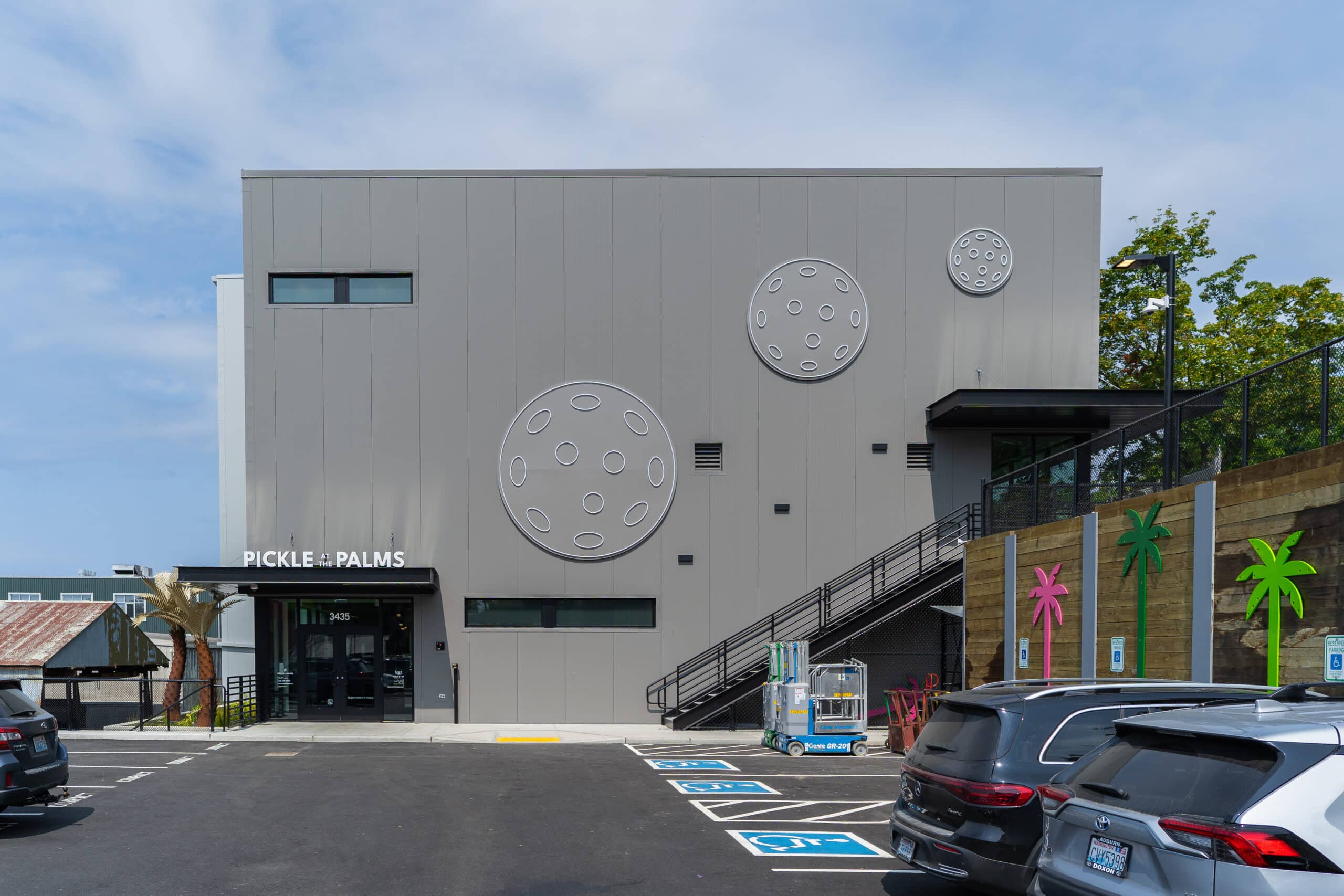
Pickle at the Palms general manager Kyle Schraeder discusses the Seattle-area pickleball facility’s grand opening and what comes next.
For a project that spent years in planning and construction, Pickle at the Palms finally had its chance to see how the vision would translate once players walked through the doors.
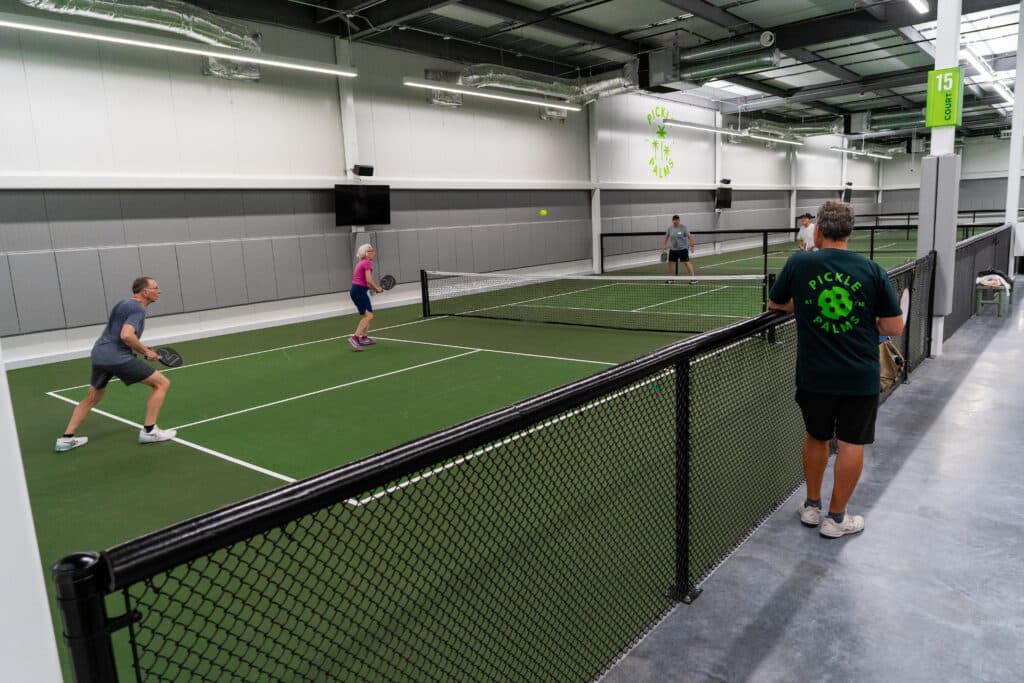
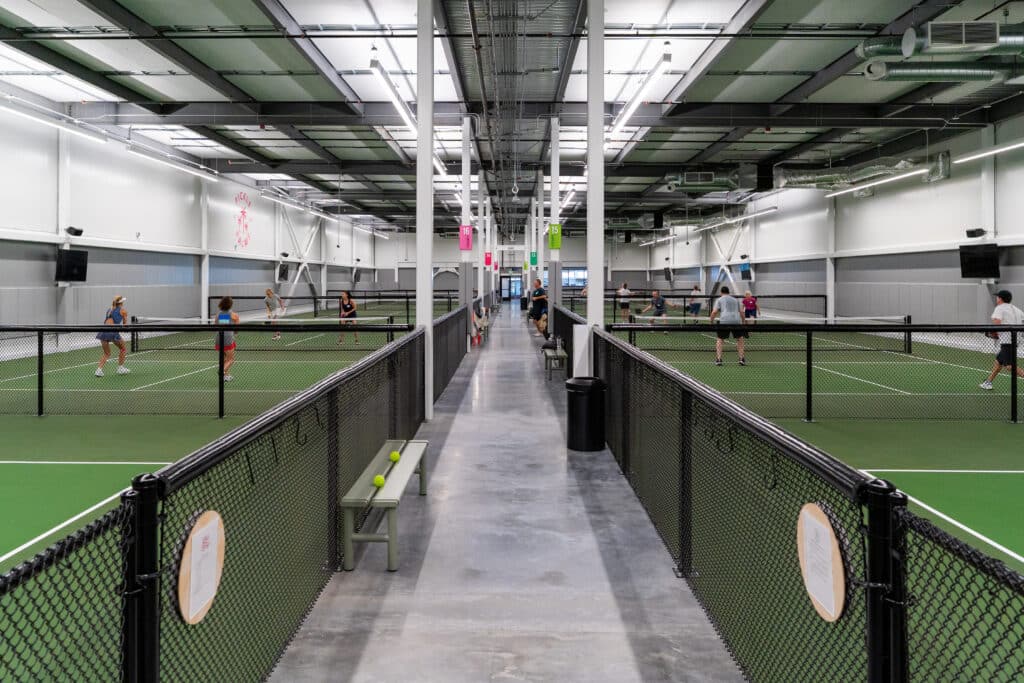
The Seattle-area facility celebrated its grand opening September 26-27, which brought roughly 700 people through the club. Free open play gave members and newcomers an opportunity to experience the facility together, while programming and family-oriented activities showed how Pickle at the Palms plans to position itself beyond just being another place to play pickleball.
“It was amazing to have the turnout that we did,” said Kyle Schraeder, the general manager of Pickle at the Palms.
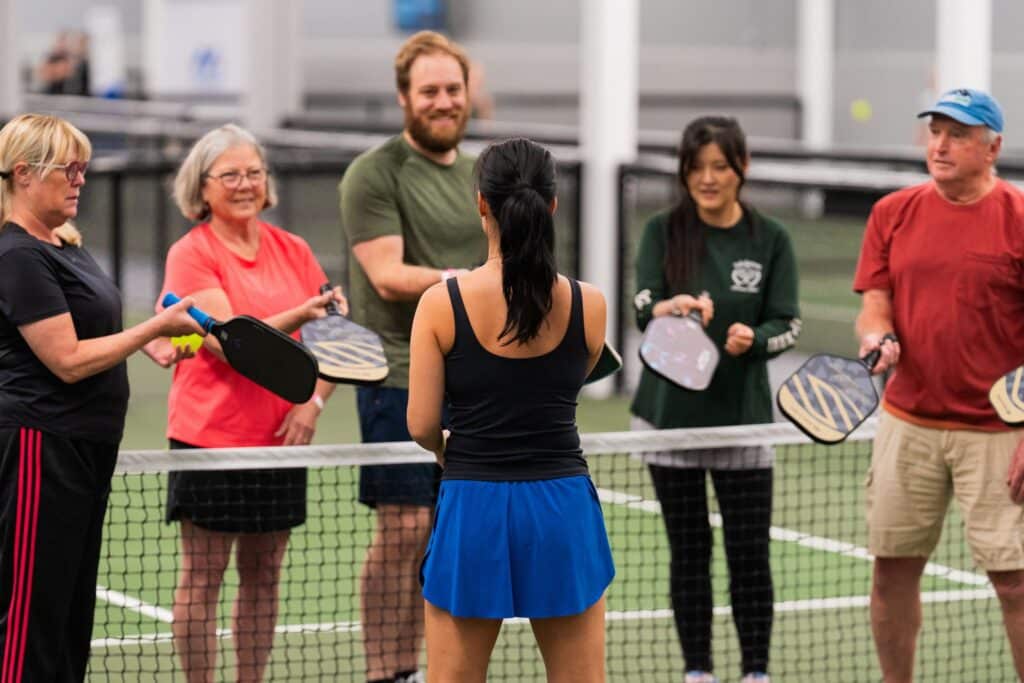
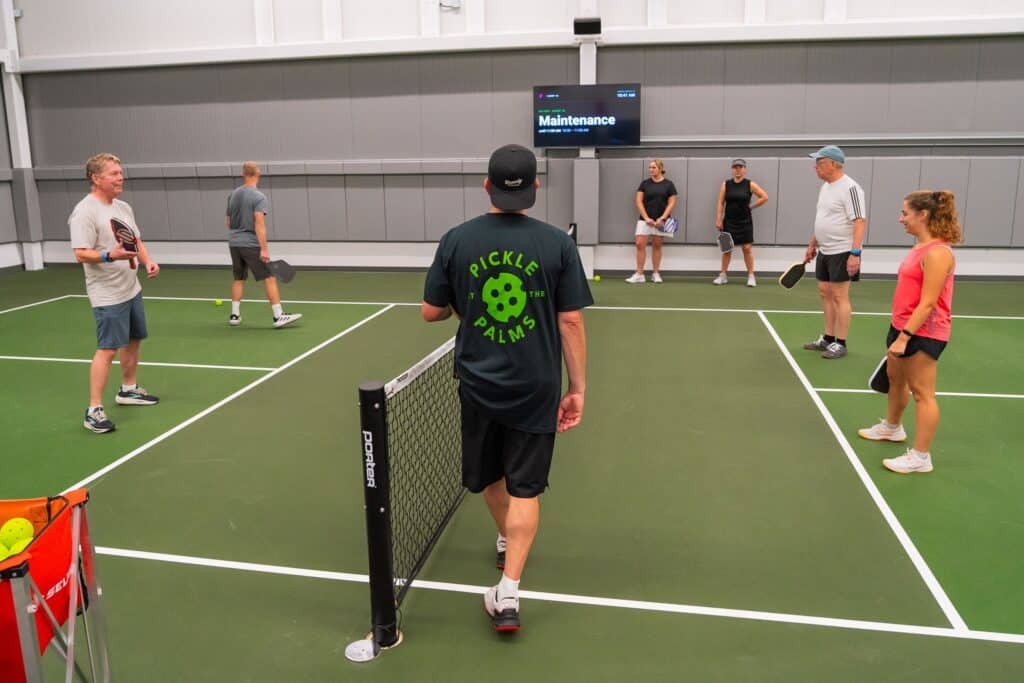
The opening also provided an early look at one of the facility’s biggest priorities in programming that is designed to bring different types of players into the club. Coaching opportunities are intended to make the facility accessible to beginners while still giving more experienced players reasons to keep coming back.
Schraeder said the club’s focus on programming has remained remarkably consistent from the earliest stages of planning. While some elements of the business have evolved based on what the team has learned about its market, programming and the membership model have stayed close to the original vision.
Pickle at the Palms is a family-owned business that began as a passion project rooted in the family’s shared background in competitive sports and their history of playing pickleball together in warmer destinations. After the decision to develop land the family already owned, the project moved into a lengthy planning and construction process.
Schraeder said the project involved two years of planning followed by a year of construction.
“This has just been a long time in the making and we’re so grateful we’re finally open,” said Schraeder.
One of the clearest changes from the original planning process has come from where business demand is emerging. The team expected programming and membership to be important components of the operations, and those areas have remained central to their model. However, since opening private and corporate events have become a significant opportunity for the club.
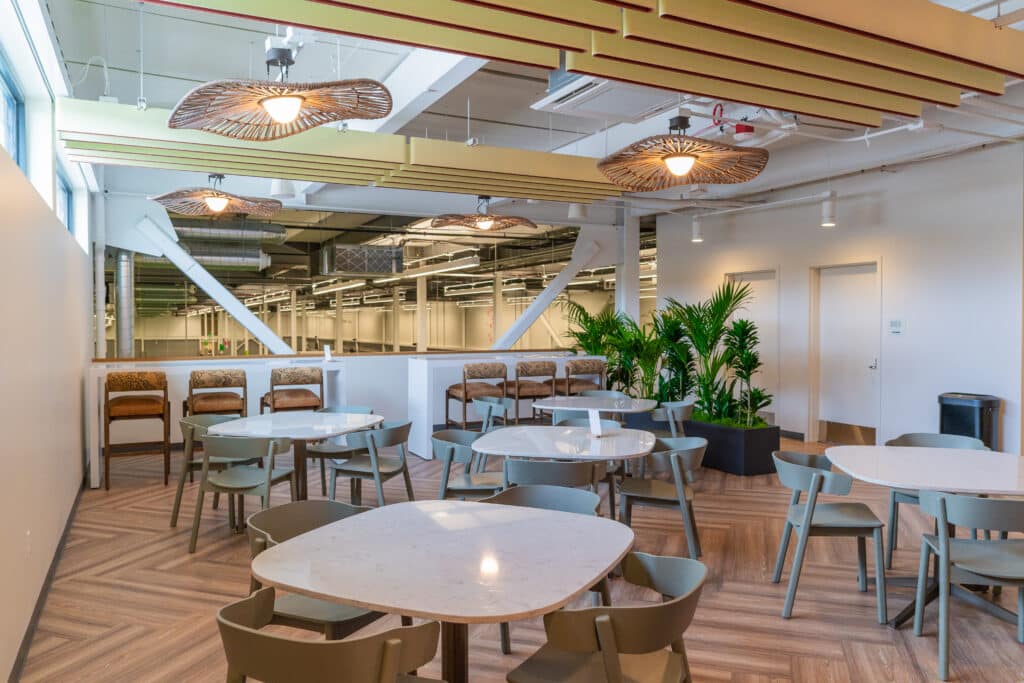
The facility’s café and catering capabilities make those events easier to accommodate, allowing groups to use the space without having to coordinate every component themselves. The combination gives Pickle at the Palms another way to use its physical footprint while introducing new customers to the club.
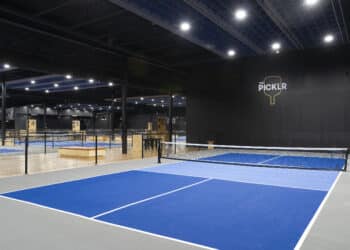
The grand opening also reinforced the value of designing the facility around the social side of pickleball. Players can spend time together away from the courts, while the club’s loft and café give families and spectators places to stay engaged even when they’re not playing.
A family open-play session during the grand opening weekend offered another indication of where the club wants to go. Sunday was filled with children playing, something Schraeder viewed as an important sign for the long-term future of the sport and the facility.
For a family business built around a sport the family enjoyed together before its current level of popularity, creating an environment where the next generation can participate is significant to the team.
“Really to see the sport’s going to grow in a different way and have longevity was really important,” said Schraeder. “To show that what we were building had a purpose not just for the current generation that’s playing, but for the future as well.”
The experience of getting to opening day also shaped how the team approaches operating the facility. Construction in a city brought the expected challenges, particularly around permits and maintaining a schedule. Rather than continually adjusting expectations, Schraeder said the team focused on communicating a timeline it believed it could actually meet. For them, that was August of this year.
“For us that’s to have that pressure and timeline that’s consistent for really delivering a good experience from the get-go is by telling the truth and owning what you can own,” said Schraeder.
When it came to getting people in the doors, the club’s outreach came well before opening day. While the family’s connections helped generate awareness beyond the local market, the team spent significant time building relationships in the community itself. Schraeder pointed to outreach through farmers markets, school donations and public courts as important ways to connect with everyday players.
Schraeder said the club’s immediate priority is to better understand the audience it has attracted and stay connected to members as their needs develop. Conversations with day-to-day users will help shape what the facility does next rather than relying solely on assumptions made during the planning process.
“I think the number one thing for me is knowing your area and knowing the people around you,” said Schraeder. “It’ll give you a better idea of what you can really do with your center.”
For Pickle at the Palms, the grand opening was less of a finish line and more the first real test of the facility the family had spent years imagining. The early response has given the team a chance to see how the space functions with hundreds of people inside it, where demand is developing and which parts of the original vision still resonate.
Schraeder hopes every visitor leaves feeling like they were truly part of the community at Pickle at the Palms.
“I hope they feel treated with respect and cared for and that they’ve met someone,” said Schraeder. “That they’re able to create a community here.”
The club has finally reached the point where the planning can give way to learning from the people actually using the facility. The next stage will be about taking what the opening revealed and turning it into a sustainable operation built around programming, connection and a clear understanding of its local market.

Jordan Meek is a staff writer for Pickleball Innovators, where she covers the rapidly evolving business of pickleball — from facility growth and technology to player experience and industry strategy. A graduate of Denison University with a degree in Journalism, she joined Peake Media in 2025 and brings a passion for storytelling and curiosity to every piece. Jordan is driven to spotlight the leaders shaping the sport and uncover insights that help operators thrive in the fastest-growing game in America. Reach her at jordan@peakemedia.com.