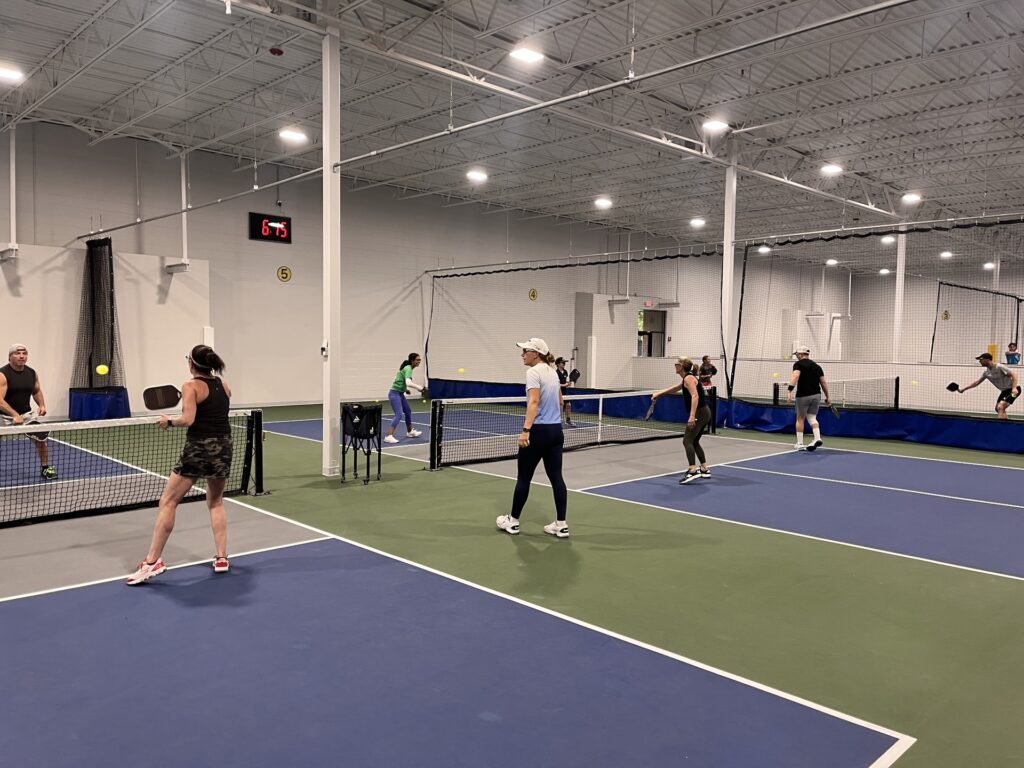
Boston Pickle Club got its start with a clear purpose in mind: to create premium indoor spaces dedicated solely to growing the game of pickleball and building communities of players. In a region where weather, real estate and access pose serious challenges, the team behind Boston Pickle Club saw an opportunity to offer something better. What began with a single facility is quickly evolving into a growing network of connected clubs focused on high-quality courts, elite instruction and a community-first approach.
“We were all challenged by a lack of great places to play,” said Michael Wilmot, the chief growth officer at Boston Pickle Club. “When it comes to pickleball, New England is relatively underserved versus other parts of the country, particularly for premium indoor options.”
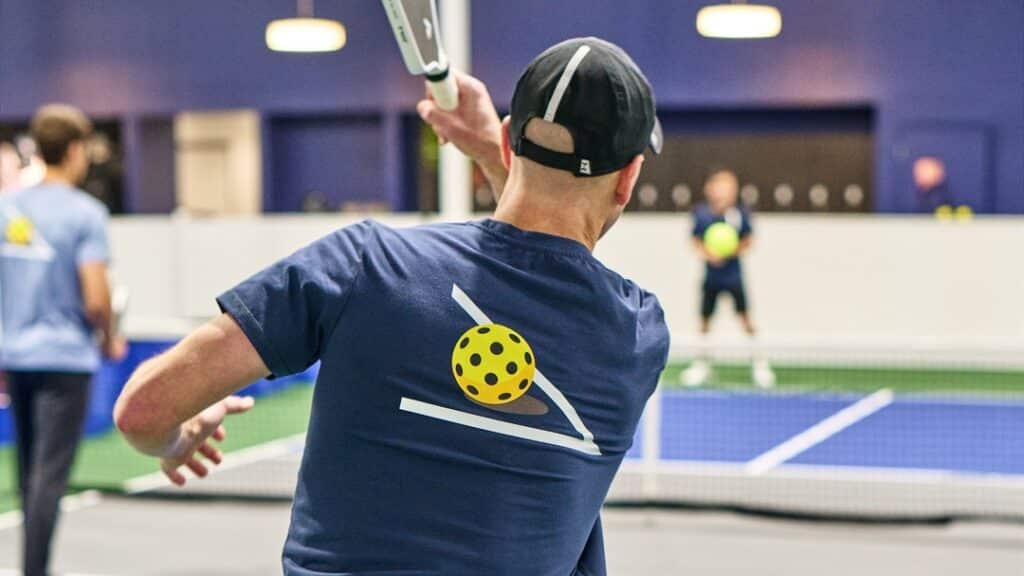
The company’s first facility opened in Hyde Park in spring 2024. Norwell followed in December, with more locations already in the pipeline. Across every site, the focus remains the same: high-quality courts, elite instruction, strong programming and simple yet premium member amenities. No full-service kitchens. No tablecloth dining. Just pickleball and community building.
One of the company’s biggest challenges has nothing to do with the sport itself — it’s real estate.
Securing primarily industrial locations with sufficient square footage, parking and access is no small feat in the Boston area. Wilmot called real estate as both the biggest challenge and greatest opportunity of the BPC model, describing the entire effort as a “speed to market real estate play.”
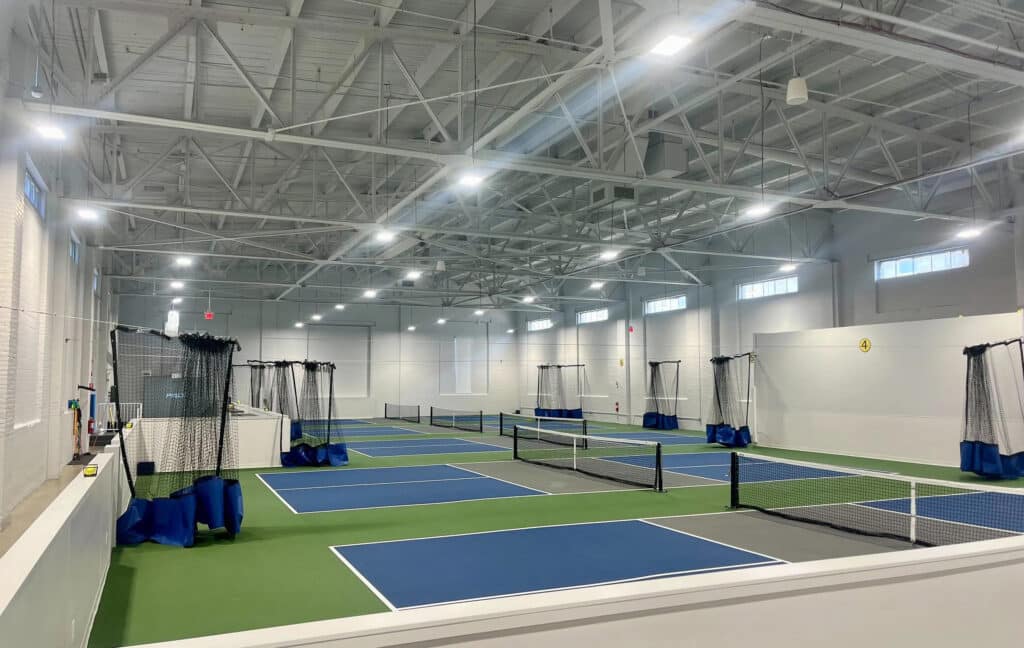
Norwell, for example, offers 10 courts in a 28,000-square-foot space with more than 100 parking spots. Hyde Park, slightly smaller at 25,000 square feet, features seven courts. Both locations sit just outside the city center — close to transit, but removed from downtown congestion. That’s part of the strategy: targeting high-demand suburban areas, especially in markets underserved by indoor pickleball.
“We want to try to corner the market with a network of connected clubs,” said Wilmot. “You’re a member of one, you’re a member of them all.”
Boston Pickle Club isn’t trying to be a lifestyle venue or food hall. Its model is intentionally lean, focused entirely on the on-court experience and the club-like atmosphere at both locations.
While the clubs do hold liquor licenses and offer alcoholic refreshments, there’s no food service or dedicated bar. Instead, resources are poured into programming, operations and instruction. Many members are still new to the game, and the company is built to help them grow.
Central to that mission are two of the club’s partners and lead professionals: Johan du Randt and Stephen Mitchell, both former world No. 1s in paddle tennis who have transitioned into pickleball. Their impact goes beyond coaching — they influence hiring, programming and drive overall club culture.
“They are just incredible on the court and the teaching side,” said Wilmot.
The goal is to turn occasional players into regulars — people who show up four or five times a week for leagues, socials, tournaments and open play.
“We’re really focused on getting people to come and play, and play often,” said Wilmot.
Summers can be a challenging season for many pickleball clubs, as warmer weather draws players to outdoor courts. To keep members engaged and coming indoors, operators often have to get creative with promotions and programming.
To prepare for a seasonal slowdown, Boston Pickle Club launched a summer membership offer with no setup fee and reduced rates for June through August. New members could then convert to a full membership in the fall without incurring an additional fee. By August, over 500 new members had joined — a new audience the club hopes to retain into the busier fall and winter season.
The team also recently conducted its first Net Promoter Score (NPS) survey, using Mailchimp to gather one-question feedback with an open-ended comment box. Engagement was excellent and the feedback confirmed what the team suspected: members really appreciated the courts, the cleanliness and the personal service.
While Wilmot’s marketing background has helped sharpen the brand, the business side has been equally critical. A diverse cap table of investors brings expertise in real estate, venture capital, construction and operations — giving the brand flexibility as it scales.
Boston Pickle Club is also leaning into youth programming. This summer, around 80 kids will attend club-based pickleball camps. A junior program is set to launch in the fall, with the long-term hope that pickleball will gain varsity status in high schools and colleges — a shift that could unlock new pipelines and opportunities.
As for advice to other operators?
“Doing your homework is super important,” said Wilmot. “You’ve got to work hard, benchmark what other folks are doing, and use that learning to tweak as you go.”


Trinity Rea
Trinity Rea is a staff writer at Peake Media, contributing to Pickleball Innovators and other industry publications. She holds a bachelor’s degree in journalism from Ball State University and is currently pursuing a master’s in Emerging Media Design and Development.